What architectural styles can be found in La Granja?
Similar Topics
La Granja architecture
Spanish Baroque
Royal Palace of La Granja
Neoclassical architecture
Romanticism influences
Sierra de Guadarrama
architectural diversity
cultural heritage Spain
exploration of architecture
historical villages in Spain
La Granja, a charming village in the foothills of the Sierra de Guadarrama, is renowned for its stunning architectural diversity, reflecting a rich history that spans several centuries. The most prominent style you’ll encounter is Spanish Baroque, especially evident in the grand Royal Palace of La Granja de San Ildefonso. This magnificent palace, built in the 18th century, showcases the intricate detailing and grandeur characteristic of Baroque architecture, complete with expansive gardens, ornate fountains, and impressive sculptures that transport visitors to a bygone era.
In addition to the Baroque influences, you can also find Neoclassical elements throughout the town. The transition to this style is subtly woven into various public buildings and residences, which feature clean lines and harmonious proportions. The blend of these architectural styles creates a picturesque streetscape, where traditional Spanish aesthetics meet the elegance of later movements. If you're strolling through the village, pay attention to the local stonework and wrought-iron balconies, which add a unique character to the buildings, reflecting both the craftsmanship and the cultural heritage of the region.
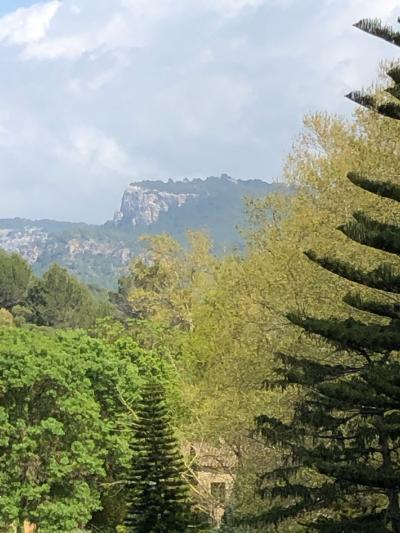
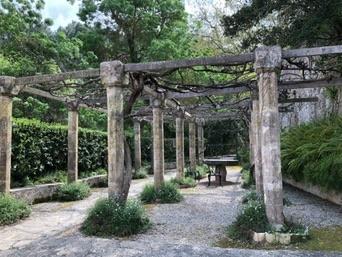
Moreover, you’ll notice some influences of Romanticism in the design of smaller villas and gardens, as well as in the layout of the surrounding landscape. These elements contribute to a serene atmosphere that invites exploration and appreciation of the natural beauty intertwined with human creativity. Each architectural detail tells a story, making La Granja not just a feast for the eyes but also a delightful journey through Spain's diverse artistic expressions. As you wander the narrow streets, you’ll find that each corner reveals a new facet of the village's architectural legacy, making it a captivating destination for any traveler interested in history and design.
In addition to the Baroque influences, you can also find Neoclassical elements throughout the town. The transition to this style is subtly woven into various public buildings and residences, which feature clean lines and harmonious proportions. The blend of these architectural styles creates a picturesque streetscape, where traditional Spanish aesthetics meet the elegance of later movements. If you're strolling through the village, pay attention to the local stonework and wrought-iron balconies, which add a unique character to the buildings, reflecting both the craftsmanship and the cultural heritage of the region.
Moreover, you’ll notice some influences of Romanticism in the design of smaller villas and gardens, as well as in the layout of the surrounding landscape. These elements contribute to a serene atmosphere that invites exploration and appreciation of the natural beauty intertwined with human creativity. Each architectural detail tells a story, making La Granja not just a feast for the eyes but also a delightful journey through Spain's diverse artistic expressions. As you wander the narrow streets, you’ll find that each corner reveals a new facet of the village's architectural legacy, making it a captivating destination for any traveler interested in history and design.

Esporles
More Fotos