How did the old mule trails impact trade and economy on Mallorca in the past?
Similar Topics
mule trails
serra de tramuntana
mallorca trade
sobrassada
binissalem wine
pollenca market
old trade routes
alcudia harbour
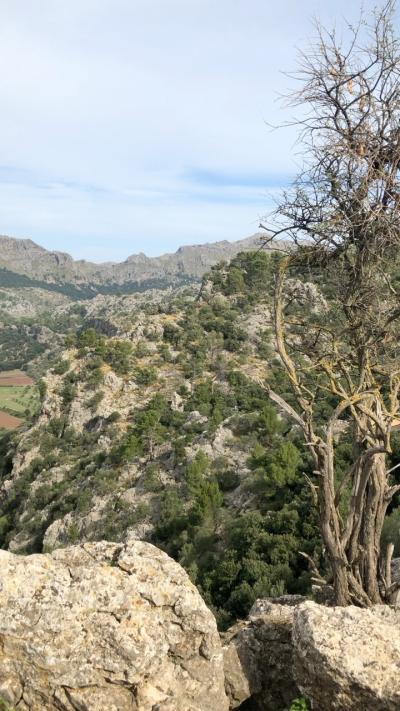
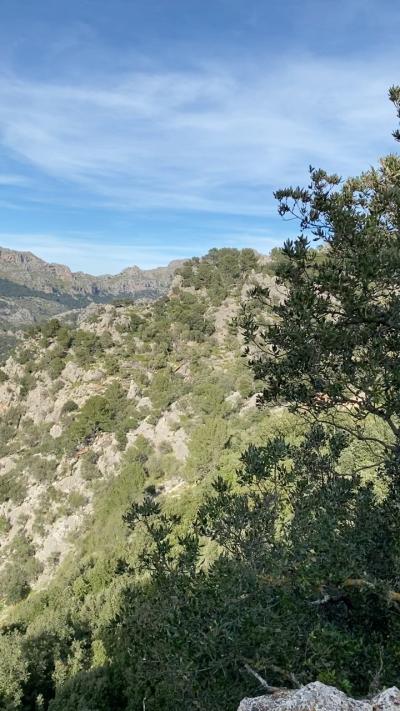
Winding through the Serra de Tramuntana, the old mule trails once formed essential links between mountain villages like Valldemossa, Deià, and Sóller and the island’s bustling ports and market towns. These narrow paths allowed farmers and artisans to transport goods such as olive oil, ceramics, and famously cured sobrassada to Palma and Alcúdia, where they could be traded or sold. The trails were vital arteries connecting inland communities to coastal harbors, enabling the exchange of produce, crafts, and even news across Mallorca.
Merchants and muleteers relied on these routes to sustain local economies, bringing almond harvests from the Festa de l’Ametler celebrations or Binissalem wines down to the marketplaces. Along the way, small inns and waystations sprang up, catering to travelers and fostering vibrant meeting points where goods and stories were exchanged. This network of paths played an essential role in shaping settlements, helping towns like Pollenca and Manacor grow by linking rural producers with wider commercial networks.
Though modern roads like the Ma-10 and Ma-19 now serve most transport needs, echoes of this earlier economic lifeline remain in seasonal markets and festivals. Traces of the mule trails can still be traced on foot, inviting visitors to experience how commerce and community were historically woven into the island’s rugged landscape. These routes not only fueled trade but shaped Mallorca’s cultural identity – a heritage evident in its artisan products and lively town squares today.
Merchants and muleteers relied on these routes to sustain local economies, bringing almond harvests from the Festa de l’Ametler celebrations or Binissalem wines down to the marketplaces. Along the way, small inns and waystations sprang up, catering to travelers and fostering vibrant meeting points where goods and stories were exchanged. This network of paths played an essential role in shaping settlements, helping towns like Pollenca and Manacor grow by linking rural producers with wider commercial networks.
Though modern roads like the Ma-10 and Ma-19 now serve most transport needs, echoes of this earlier economic lifeline remain in seasonal markets and festivals. Traces of the mule trails can still be traced on foot, inviting visitors to experience how commerce and community were historically woven into the island’s rugged landscape. These routes not only fueled trade but shaped Mallorca’s cultural identity – a heritage evident in its artisan products and lively town squares today.
More Fotos