Where can I visit to see protected bird habitats and nature reserves on the island?
Similar Topics
s'albufera park
birdwatching mallorca
ses salines salt
es trenc flamingos
tramuntana birds
alcudia nature
tib bus routes
binissalem wine
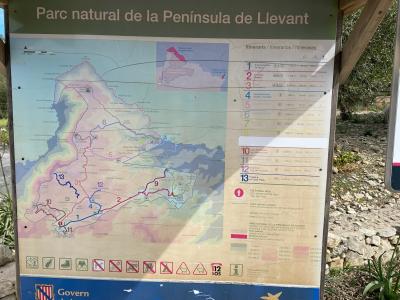
The best spots for birdwatching and nature reserves on the island tend to be quieter and a bit off the main tourist routes, which means planning transport ahead, especially outside Palma where public buses can be infrequent. The S'Albufera Natural Park, near Alcúdia, is the island’s largest wetland reserve and a haven for birdlife, especially during migration seasons when species like herons, egrets, and the elusive purple heron are easily spotted. Walking its trails at dawn or dusk reveals abundant bird calls and the tranquil beauty of reed beds and freshwater lagoons.
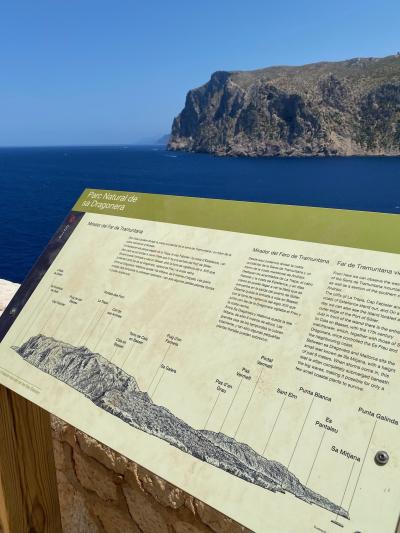
Down the coast near Sa Ràpita, the salt flats of Ses Salines are another key habitat, attracting flamingos and waders. Es Trenc beach forms part of this protected area, where the juxtaposition of pristine dunes and flamingo flocks creates a memorable scene. The quiet coves along the Tramuntana coastline, such as Cala Tuent, also provide refuge for native birds amid the rugged landscape, best explored by those taking the Ma-10 road or hiking through the mountains.
For access, buses from Palma connect to Alcúdia and Sa Ràpita on the TIB network, but renting a car or joining a guided tour can provide more flexibility for early morning or late evening visits when birds are most active. Local guides often combine visits to the reserves with tasting Binissalem wines or sampling sobrassada in nearby villages. Whether wandering through reed beds in the north or beach salt pans in the south, these habitats highlight the island’s commitment to preserving its natural diversity alongside its famous beaches and mountain villages.
Down the coast near Sa Ràpita, the salt flats of Ses Salines are another key habitat, attracting flamingos and waders. Es Trenc beach forms part of this protected area, where the juxtaposition of pristine dunes and flamingo flocks creates a memorable scene. The quiet coves along the Tramuntana coastline, such as Cala Tuent, also provide refuge for native birds amid the rugged landscape, best explored by those taking the Ma-10 road or hiking through the mountains.
For access, buses from Palma connect to Alcúdia and Sa Ràpita on the TIB network, but renting a car or joining a guided tour can provide more flexibility for early morning or late evening visits when birds are most active. Local guides often combine visits to the reserves with tasting Binissalem wines or sampling sobrassada in nearby villages. Whether wandering through reed beds in the north or beach salt pans in the south, these habitats highlight the island’s commitment to preserving its natural diversity alongside its famous beaches and mountain villages.
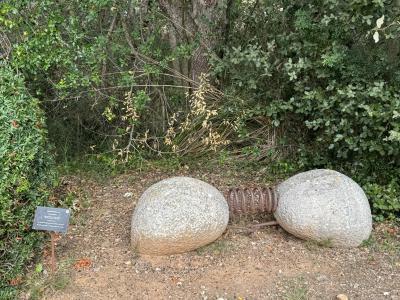
Alcanada
More Fotos

Related Questions
Related Question
Are there drone rental services available to capture aerial views around Palma and the Tramuntana?
Related Question
What unique architectural features make Palma Cathedral stand out from other cathedrals?
Related Question
What are some popular Mallorcan dishes I should definitely try?