Are there accessible walking routes on the island for travellers with limited mobility?
Similar Topics
accessible walking routes
limited mobility travel
wheelchair-friendly paths
serra de tramuntana
palma accessible trails
tib bus accessibility
beach walks es
guided accessible tours
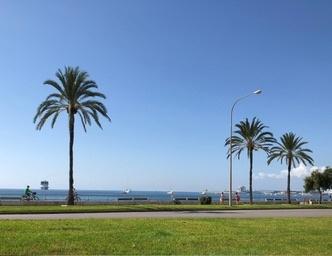
In recent years, efforts to improve accessibility along the island’s walking routes have gained momentum, particularly around towns like Palma and Alcudia. Many promenades and urban paths, such as those in the historic centre of Palma or along Port de Sóller’s seafront, now feature smooth surfaces and ramps, making it easier for those using wheelchairs or mobility aids to enjoy a stroll. The Ma-13 and Ma-19 roads have also been enhanced with pedestrian-friendly sections, especially near popular spots like Pollensa or Cala Mondrago.
When venturing into nature, accessibility varies more widely. While some of the coastal walkways around Formentor and stretches of the Serra de Tramuntana offer paved or gently sloping paths, many traditional trails remain rugged with rocky or uneven terrain, which can be challenging. Visitor centres in places such as Valldemossa or Manacor usually provide detailed guidance on the best accessible routes and may know of guided tours tailored to those needing extra assistance.
Public transport like the TIB bus network and the Palma metro have become more accommodating for travellers with mobility issues, making stops at locations near accessible walking areas more convenient. For those who want a taste of island life with less strain, leisurely walks through towns like Deia or along the wide, flat sands of Es Trenc beach can be particularly rewarding. Planning ahead and consulting with local tourism offices ensures a comfortable experience, revealing that even visitors with limited mobility can enjoy the island’s charming paths and stunning scenery.
When venturing into nature, accessibility varies more widely. While some of the coastal walkways around Formentor and stretches of the Serra de Tramuntana offer paved or gently sloping paths, many traditional trails remain rugged with rocky or uneven terrain, which can be challenging. Visitor centres in places such as Valldemossa or Manacor usually provide detailed guidance on the best accessible routes and may know of guided tours tailored to those needing extra assistance.
Public transport like the TIB bus network and the Palma metro have become more accommodating for travellers with mobility issues, making stops at locations near accessible walking areas more convenient. For those who want a taste of island life with less strain, leisurely walks through towns like Deia or along the wide, flat sands of Es Trenc beach can be particularly rewarding. Planning ahead and consulting with local tourism offices ensures a comfortable experience, revealing that even visitors with limited mobility can enjoy the island’s charming paths and stunning scenery.
Colònia de Sant Pere
More Fotos