What was the local culture like during Chopin's time in Valldemossa?
Similar Topics
Chopin Valldemossa
Mallorca culture
19th century Mallorca
artistic heritage Valldemossa
Tramuntana mountain range
Romantic era art
Spanish and Catalan culture
Valldemossa festivals
traditional farming Mallorca
Valldemossa hospitality
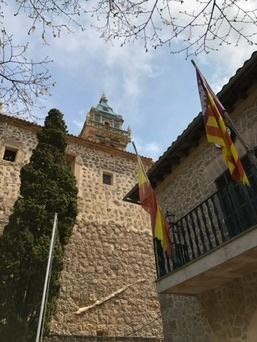
During Chopin's time in Valldemossa in the 19th century, the local culture was deeply intertwined with its rich history and stunning natural surroundings. The village, nestled in the Tramuntana mountain range of Mallorca, was known for its rustic charm and serene landscapes, which attracted many artists and intellectuals seeking inspiration. The local community was largely agricultural, with a lifestyle centered around traditional farming practices, and the villagers were known for their warm hospitality and strong sense of community. The influence of both Spanish and Catalan culture was evident in the architecture, cuisine, and daily life, creating a vibrant tapestry of customs that shaped the social fabric of Valldemossa.
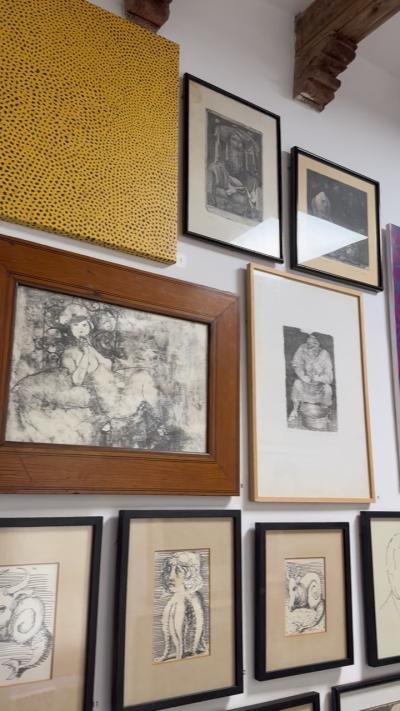
The cultural scene was particularly vibrant during the Romantic era, when Chopin visited in 1838, alongside the writer George Sand. This period was marked by a fascination with nature, emotion, and individualism, which resonated deeply in the local art and music. Valldemossa's picturesque landscapes and tranquil ambiance provided a perfect backdrop for creative expression, attracting artists who would gather in the village to share ideas and cultivate their work. The presence of Chopin and Sand added a layer of artistic prestige to the area, as they engaged with the locals and immersed themselves in the culture, contributing to the village's growing reputation as a haven for artists.
The local culture also featured religious influences, with beautiful churches and festivals that celebrated the island's patron saints. These events were an integral part of life, fostering a sense of unity among villagers and showcasing traditional music, dance, and cuisine. The combination of these elements created a unique cultural milieu that was both reflective of the island's heritage and open to new artistic influences, making Valldemossa a remarkable place during Chopin's time. Today, visitors can still feel the echoes of this rich history, as the village continues to celebrate its artistic past while embracing its vibrant present.
The cultural scene was particularly vibrant during the Romantic era, when Chopin visited in 1838, alongside the writer George Sand. This period was marked by a fascination with nature, emotion, and individualism, which resonated deeply in the local art and music. Valldemossa's picturesque landscapes and tranquil ambiance provided a perfect backdrop for creative expression, attracting artists who would gather in the village to share ideas and cultivate their work. The presence of Chopin and Sand added a layer of artistic prestige to the area, as they engaged with the locals and immersed themselves in the culture, contributing to the village's growing reputation as a haven for artists.
The local culture also featured religious influences, with beautiful churches and festivals that celebrated the island's patron saints. These events were an integral part of life, fostering a sense of unity among villagers and showcasing traditional music, dance, and cuisine. The combination of these elements created a unique cultural milieu that was both reflective of the island's heritage and open to new artistic influences, making Valldemossa a remarkable place during Chopin's time. Today, visitors can still feel the echoes of this rich history, as the village continues to celebrate its artistic past while embracing its vibrant present.
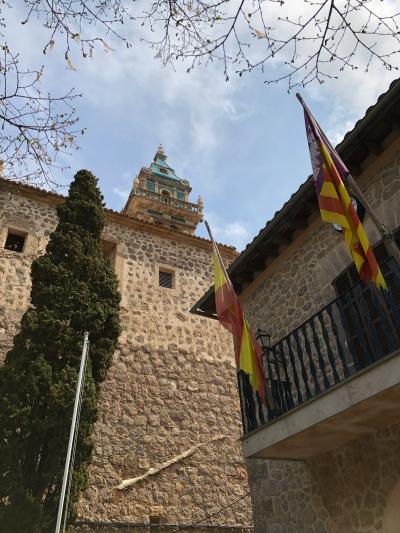
Valldemossa
More Fotos