What should I bring for a day hiking in the Serra de Tramuntana?
Similar Topics
serra de tramuntana
day hiking gear
mallorca trails
hiking food
mountain layers
soller hiking
deia trekking
waterproof jacket
Tackling the rugged trails of the Serra de Tramuntana calls for practical and versatile gear. Start with sturdy, well-broken-in hiking shoes that provide good grip on rocky paths like those around Deià or Puig de Massanella. The weather can shift quickly in the mountains, so layering is key: breathable base layers to keep sweat off your skin, a warm mid-layer for cooler altitudes, and a lightweight waterproof jacket to handle unexpected showers or winds along the Ma-10 route.
A comfortable daypack is essential for carrying your supplies. Bring ample water—there are few reliable fountains outside towns like Sóller or Valldemossa—and pack some energizing snacks, perhaps local almonds or dried fruit from markets in Palma. Sunscreen and a hat are crucial under the intense Mediterranean sun, especially when crossing exposed ridges. Don’t forget insect repellent, as even the Tramuntana's shaded paths can harbor midges.
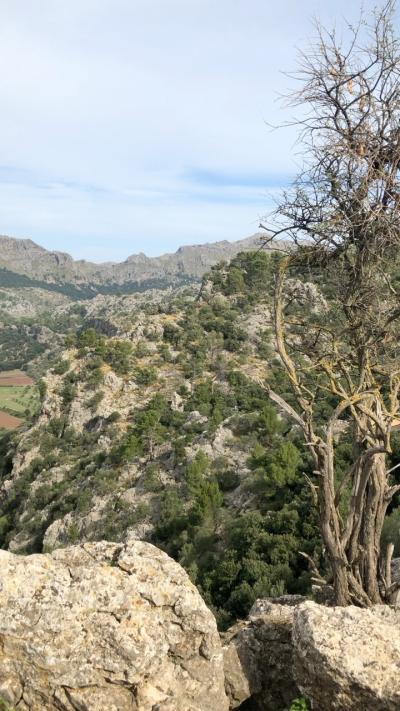
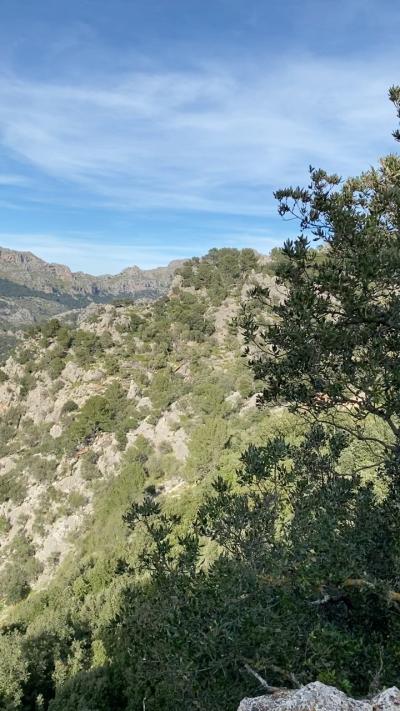
For navigation, a detailed map of the area or a GPS device will help you stay on smaller footpaths that wind between ancient olive groves and terraced hills. Trekking poles can be a great aid on steep ascents or uneven terrain. A small first-aid kit is always wise, particularly if you plan to hike further from assistance. Above all, prepare to slow down and enjoy the dramatic vistas toward the Bay of Pollença or the serene coves of Cala Deià—this landscape is about more than exercise; it’s a deep connection with nature and heritage.
A comfortable daypack is essential for carrying your supplies. Bring ample water—there are few reliable fountains outside towns like Sóller or Valldemossa—and pack some energizing snacks, perhaps local almonds or dried fruit from markets in Palma. Sunscreen and a hat are crucial under the intense Mediterranean sun, especially when crossing exposed ridges. Don’t forget insect repellent, as even the Tramuntana's shaded paths can harbor midges.
For navigation, a detailed map of the area or a GPS device will help you stay on smaller footpaths that wind between ancient olive groves and terraced hills. Trekking poles can be a great aid on steep ascents or uneven terrain. A small first-aid kit is always wise, particularly if you plan to hike further from assistance. Above all, prepare to slow down and enjoy the dramatic vistas toward the Bay of Pollença or the serene coves of Cala Deià—this landscape is about more than exercise; it’s a deep connection with nature and heritage.

Sa Calobra
More Fotos