What role did Valldemossa play in the wider history of Mallorca?
Similar Topics
Valldemossa history
Mallorca culture
Carthusian monastery
Frédéric Chopin
George Sand
Mallorca tourism
Tramuntana mountains
Mallorcan identity
artistic heritage
historical landmarks
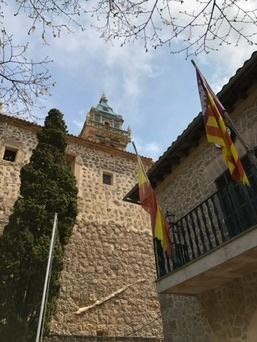
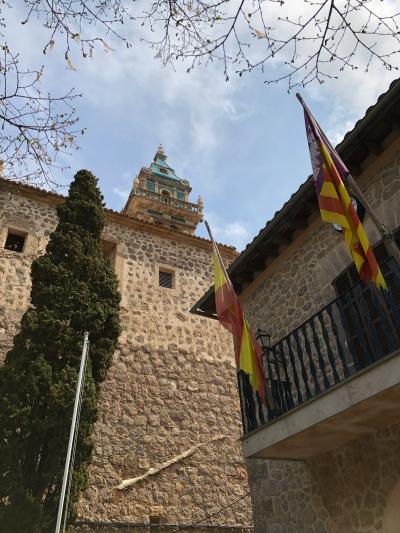
Valldemossa, a charming village nestled in the Tramuntana mountain range of Mallorca, holds a significant place in the island's history and culture. Its origins date back to the 13th century, when it was established as a monastery site. The Monastery of Valldemossa, originally a Carthusian monastery, has played a pivotal role in shaping the village's identity. Over the centuries, it has transformed from a religious sanctuary into a cultural hub, attracting artists, writers, and musicians, most notably the composer Frédéric Chopin and the writer George Sand, who famously spent a winter here in 1838. Their time in Valldemossa inspired a wealth of artistic expression and brought international attention to the village.
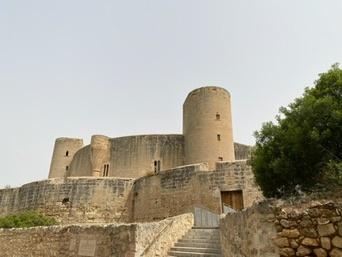
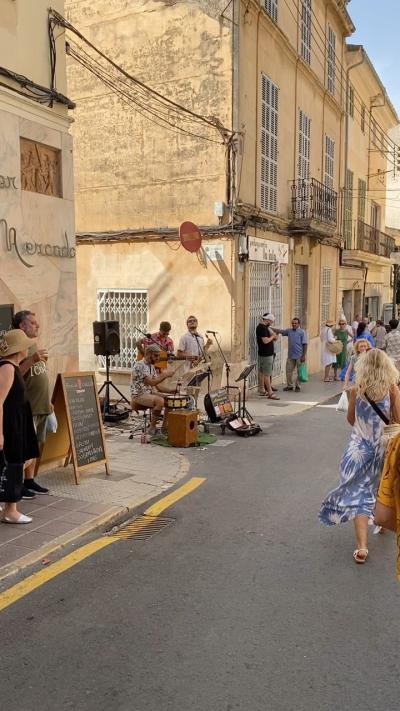
The village itself is a testament to Mallorca's rich history, with its cobbled streets, stone houses, and lush gardens reflecting the island's medieval roots. Valldemossa's historical significance is not limited to its artistic heritage; it has also served as a strategic location throughout various periods, including the Moorish occupation and the subsequent Christian reconquest. The blending of cultures is evident in the architecture and local traditions, which showcase a unique Mallorcan identity that has evolved over centuries.
Today, Valldemossa remains a vibrant destination for visitors seeking to immerse themselves in the island's cultural heritage. The picturesque landscapes surrounding the village, coupled with its historical landmarks, create a serene atmosphere that invites exploration and reflection. Whether wandering through its quaint streets or visiting the monastery, travelers can appreciate how Valldemossa has played a critical role in the broader narrative of Mallorca, embodying the island's artistic spirit and historical depth.
The village itself is a testament to Mallorca's rich history, with its cobbled streets, stone houses, and lush gardens reflecting the island's medieval roots. Valldemossa's historical significance is not limited to its artistic heritage; it has also served as a strategic location throughout various periods, including the Moorish occupation and the subsequent Christian reconquest. The blending of cultures is evident in the architecture and local traditions, which showcase a unique Mallorcan identity that has evolved over centuries.
Today, Valldemossa remains a vibrant destination for visitors seeking to immerse themselves in the island's cultural heritage. The picturesque landscapes surrounding the village, coupled with its historical landmarks, create a serene atmosphere that invites exploration and reflection. Whether wandering through its quaint streets or visiting the monastery, travelers can appreciate how Valldemossa has played a critical role in the broader narrative of Mallorca, embodying the island's artistic spirit and historical depth.
Valldemossa
More Fotos