What archaeological sites can I visit on the island around Palma and beyond?
Similar Topics
archaeological sites
talaiots
capocorb vell
pollentia ruins
roman villa manacor
alcudia museum
serra de tramuntana
prehistoric mallorca
The island’s rich history is visible in several archaeological sites, with some easily accessible from Palma and others further afield. One of the most significant is the Talaiotic settlement of Capocorb Vell, near Llucmajor, where stone towers and walls from the Bronze and Iron Ages still stand, offering insight into prehistoric Mallorcan life. The talaiots—ancient megalithic structures—are scattered around the island, particularly in the central plains and eastern regions, revealing early defensive and community architecture.
Near Manacor, you can explore the Roman ruins of Sa Mesquida, where mosaics and foundations hint at a once-thriving villa. In the north, Pollentia stands out as a well-preserved Roman town whose remains, including a forum, theatre, and city walls, provide a fascinating glimpse of island life under Roman rule. The nearby Archaeological Museum in Alcudia complements a visit to the site with artifacts that trace Mallorca’s evolution from prehistoric to Roman times.
Venturing into the Serra de Tramuntana, the historic mood deepens with medieval structures and ancient rural sites blending into the landscape, but for true archaeological immersion, the coastal paths near Cala Ratjada often reveal prehistoric cave dwellings and ancient tools. These places collectively narrate the island’s journey through millennia, tracing cultures that shaped its character long before it became a Mediterranean holiday destination.
Near Manacor, you can explore the Roman ruins of Sa Mesquida, where mosaics and foundations hint at a once-thriving villa. In the north, Pollentia stands out as a well-preserved Roman town whose remains, including a forum, theatre, and city walls, provide a fascinating glimpse of island life under Roman rule. The nearby Archaeological Museum in Alcudia complements a visit to the site with artifacts that trace Mallorca’s evolution from prehistoric to Roman times.
Venturing into the Serra de Tramuntana, the historic mood deepens with medieval structures and ancient rural sites blending into the landscape, but for true archaeological immersion, the coastal paths near Cala Ratjada often reveal prehistoric cave dwellings and ancient tools. These places collectively narrate the island’s journey through millennia, tracing cultures that shaped its character long before it became a Mediterranean holiday destination.
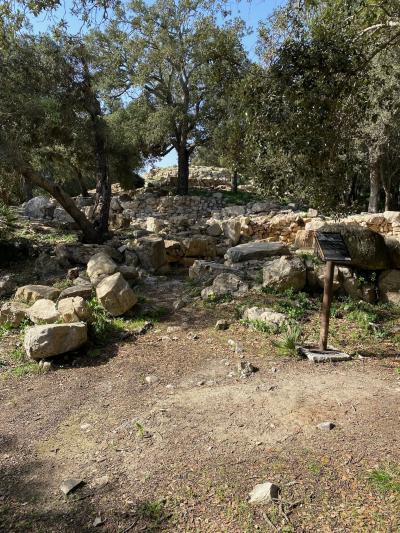
Artà
More Fotos


Related Questions
Related Question
Is it common for cinemas in Mallorca to show films in their original language with subtitles?
Related Question
How difficult is the hike to Puig Major, the highest peak in Mallorca?
Related Question
What is the atmosphere like at the beaches around Mallorca—more peaceful, family-friendly, or bustling with activity?