What seasonal dishes can I try throughout the year on the island?
Similar Topics
seasonal dishes
tumbet
sobrassada
ensaïmada
binissalem wine
hierbas
festa de l’ametler
pa amb oli
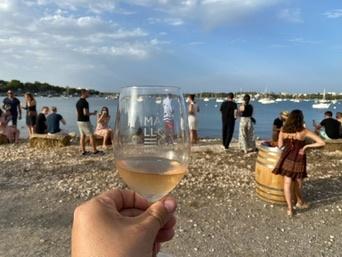
In towns like Valldemossa and Sóller, the menus tend to change with the seasons, celebrating local produce and traditional recipes. Spring brings tender artichokes, fresh peas, and wild asparagus into the spotlight, often featured in light salads or gentle stews. As summer warms the island, tomatoes, zucchini, and eggplants are abundant, making dishes like tumbet—a vibrant vegetable casserole—a delightful taste of the season. Outdoors, enjoying a picnic of sobrassada and ensaimada alongside a chilled Binissalem white wine is a truly Mallorcan experience.
Autumn ushers in heartier fare, with squash, mushrooms, and slow-roasted meats becoming common at markets and festivals. It's the season for comforting stews, pairing perfectly with the local Hierbas or Palo liqueurs served after a meal. The Festa de l’Ametler in blossoming almond orchards celebrates these autumnal flavors and traditions, giving visitors a glimpse into the island’s culinary heritage. Winter menus focus on warming plates of pa amb oli slathered with fresh sobrassada or local cheese, and pastries like ensaïmades offer sweet respite during cooler days.
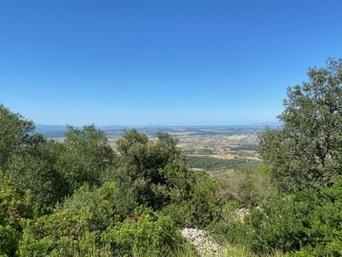
The seasonal change is reflected in the ingredients sourced from the Serra de Tramuntana foothills, the fertile plains around Manacor, and coastal waters off Formentor. Whether dining in Palma’s historic center or a rustic café in Pollença, savoring the island’s seasonal dishes is both a culinary journey and a celebration of its vibrant, local rhythms.
Autumn ushers in heartier fare, with squash, mushrooms, and slow-roasted meats becoming common at markets and festivals. It's the season for comforting stews, pairing perfectly with the local Hierbas or Palo liqueurs served after a meal. The Festa de l’Ametler in blossoming almond orchards celebrates these autumnal flavors and traditions, giving visitors a glimpse into the island’s culinary heritage. Winter menus focus on warming plates of pa amb oli slathered with fresh sobrassada or local cheese, and pastries like ensaïmades offer sweet respite during cooler days.
The seasonal change is reflected in the ingredients sourced from the Serra de Tramuntana foothills, the fertile plains around Manacor, and coastal waters off Formentor. Whether dining in Palma’s historic center or a rustic café in Pollença, savoring the island’s seasonal dishes is both a culinary journey and a celebration of its vibrant, local rhythms.

Deià
More Fotos