What is the history or background of the typical fincahotel architecture in Mallorca?
Similar Topics
Mallorca travel
fincahotel architecture
rural estates
sustainable tourism
Mallorcan decor
olive groves
agricultural heritage
rustic charm
eco-friendly practices
historic fincas
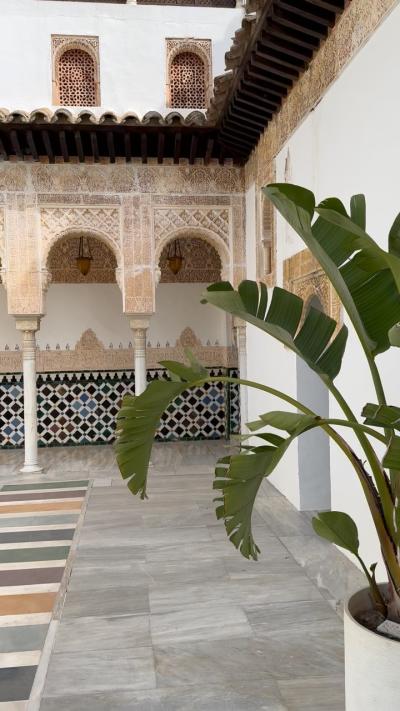
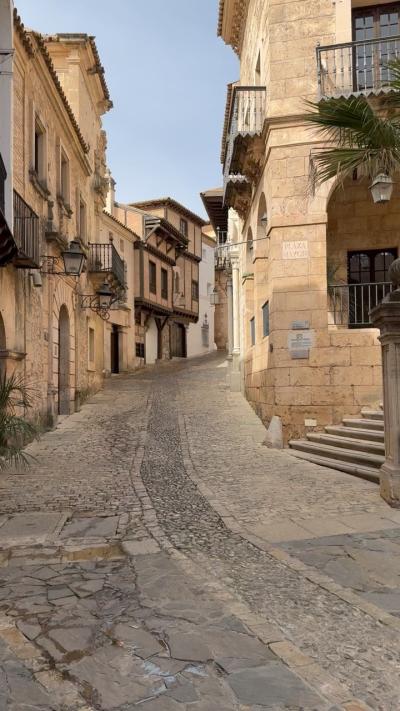
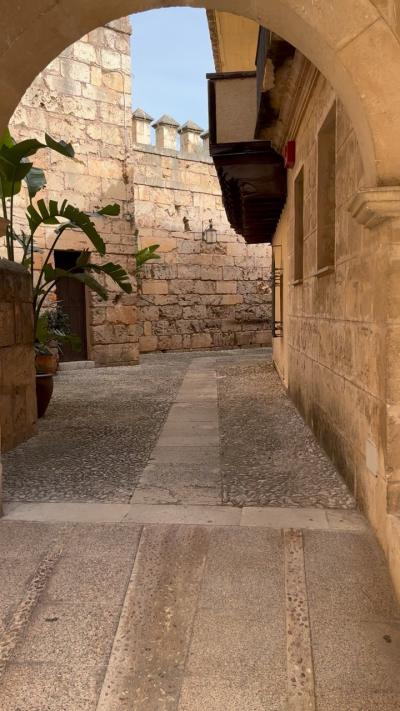
Fincahotels in Mallorca are a beautiful reflection of the island's rich agricultural heritage and architectural evolution. Traditionally, these rural estates, known as "finca" in Spanish, were primarily working farms that produced crops such as olives, almonds, and grapes. The architecture of these fincas is characterized by their rustic charm, often showcasing local materials like limestone and clay, which help them blend seamlessly into the surrounding landscape. The typical design features thick walls to maintain cool temperatures, wooden beams, and terracotta roofs, all of which contribute to their inviting and cozy atmosphere.
As tourism began to flourish in Mallorca, many of these historic fincas were transformed into charming hotels, preserving their original character while providing modern comforts. This adaptation has allowed visitors to experience the island's pastoral lifestyle while enjoying amenities that cater to contemporary needs. The interiors often feature traditional Mallorcan decor, with an emphasis on handcrafted furnishings and textiles that evoke a sense of authenticity. Guests can expect to find tranquil gardens, olive groves, and often a swimming pool, allowing for a peaceful retreat in a stunning natural setting.
In recent years, there has been a growing appreciation for sustainable tourism, and many fincahotels have embraced eco-friendly practices, further enhancing their appeal. By staying in these unique accommodations, travelers not only enjoy a taste of the island's history and culture but also support local agriculture and preservation efforts. The blend of rustic elegance and modern sustainability in fincahotel architecture truly encapsulates the essence of Mallorca, making it a memorable experience for anyone seeking a deeper connection to the island's heritage.
As tourism began to flourish in Mallorca, many of these historic fincas were transformed into charming hotels, preserving their original character while providing modern comforts. This adaptation has allowed visitors to experience the island's pastoral lifestyle while enjoying amenities that cater to contemporary needs. The interiors often feature traditional Mallorcan decor, with an emphasis on handcrafted furnishings and textiles that evoke a sense of authenticity. Guests can expect to find tranquil gardens, olive groves, and often a swimming pool, allowing for a peaceful retreat in a stunning natural setting.
In recent years, there has been a growing appreciation for sustainable tourism, and many fincahotels have embraced eco-friendly practices, further enhancing their appeal. By staying in these unique accommodations, travelers not only enjoy a taste of the island's history and culture but also support local agriculture and preservation efforts. The blend of rustic elegance and modern sustainability in fincahotel architecture truly encapsulates the essence of Mallorca, making it a memorable experience for anyone seeking a deeper connection to the island's heritage.

More Fotos