What are the local attitudes toward tourism and real estate growth on the island?
Similar Topics
tourism impact
real estate development
locals attitudes
pa amb oli
sustainable tourism
property prices mallorca
tramuntana mountains
mallorca festivals
In towns like Palma and Sóller, the presence of tourists is a double-edged sword for many residents. The bustling Passeig del Born or the scenic train route offer clear reminders of how visitor numbers benefit local shops, markets, and restaurants, especially those serving traditional dishes like pa amb oli and sobrassada. Seasonal festivals such as Sant Sebastià in Palma bring a lively atmosphere that most locals welcome, knowing the economic uplift supports livelihoods across the island.
Yet beneath this appreciation, concerns about overcrowding and its impact on daily life are common in more popular spots like Cala Formentor or Es Trenc beach. The strain on infrastructure, from busy roads like the Ma-13 through the Tramuntana mountains to crowded TIB buses, is something many feel keenly. Meanwhile, rapid real estate development in coastal areas such as Alcúdia and Pollensa has raised worries about rising property prices and the displacement of long-time residents, altering the character of quieter villages like Valldemossa and Deià.
Community discussions often reflect a desire to protect the island’s unique culture and landscape amid these pressures. Local voices frequently call for sustainable tourism and construction that respect the environment and preserve authentic Mallorcan traditions. Initiatives promoting Binissalem wine routes or the preservation of rural architecture show a clear preference for development that benefits both residents and visitors alike, aiming to balance economic vitality with a strong sense of place.
Yet beneath this appreciation, concerns about overcrowding and its impact on daily life are common in more popular spots like Cala Formentor or Es Trenc beach. The strain on infrastructure, from busy roads like the Ma-13 through the Tramuntana mountains to crowded TIB buses, is something many feel keenly. Meanwhile, rapid real estate development in coastal areas such as Alcúdia and Pollensa has raised worries about rising property prices and the displacement of long-time residents, altering the character of quieter villages like Valldemossa and Deià.
Community discussions often reflect a desire to protect the island’s unique culture and landscape amid these pressures. Local voices frequently call for sustainable tourism and construction that respect the environment and preserve authentic Mallorcan traditions. Initiatives promoting Binissalem wine routes or the preservation of rural architecture show a clear preference for development that benefits both residents and visitors alike, aiming to balance economic vitality with a strong sense of place.
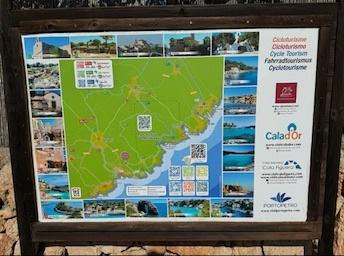
Cala Figuera
More Fotos