What role did agriculture play during the Islamic rule in Mallorca?
Similar Topics
Islamic rule Mallorca
agriculture Mallorca
mallorca history
Mediterranean agriculture
advanced irrigation techniques
crops in Mallorca
almonds olives citrus
cultural exchanges Mallorca
rural life Mallorca
agricultural heritage Mallorca
Agriculture played a vital role during the Islamic rule in Mallorca, which lasted from 902 to 1229. Under Muslim governance, the island transformed its agricultural practices significantly, adopting advanced techniques that were pivotal for its economy and sustainability. The introduction of sophisticated irrigation systems, such as qanats, allowed for the efficient distribution of water across the arid landscapes, enhancing the cultivation of crops. This innovation not only increased agricultural productivity but also led to the diversification of crops grown on the island, including almonds, olives, and citrus fruits, which remain central to Mallorca’s agricultural identity today.
The Islamic influence also extended to the organization of rural life and land management. Larger estates known as "hacienda" were established, where agricultural production was systematized, and labor was often provided by local populations as well as by enslaved individuals. This period saw Mallorca becoming a crucial agricultural hub in the Mediterranean, as surplus produce was traded with other regions, bringing economic prosperity and cultural exchanges. The blending of Islamic agricultural practices with the local traditions laid the groundwork for the island’s future developments and set a precedent for the agricultural methods that continue to be practiced by farmers in Mallorca.
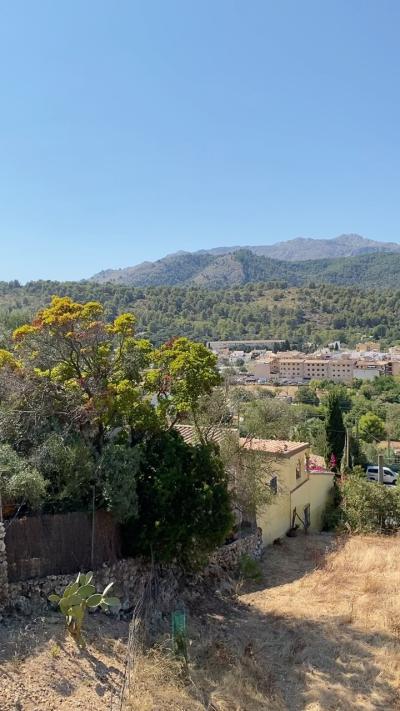
Moreover, the cultivation of crops during the Islamic era contributed to the island's lush landscapes, which visitors today can appreciate in the form of terraced fields and orchards dotting the hillsides. The agricultural heritage is celebrated in local markets, where fresh produce reflects the island's rich history and diverse influences. Thus, agriculture during the Islamic rule not only shaped the economy of Mallorca but also left an enduring legacy that continues to enrich the island's culture and landscape, making it a fascinating destination for travelers interested in history, gastronomy, and the natural beauty of the Mediterranean.
The Islamic influence also extended to the organization of rural life and land management. Larger estates known as "hacienda" were established, where agricultural production was systematized, and labor was often provided by local populations as well as by enslaved individuals. This period saw Mallorca becoming a crucial agricultural hub in the Mediterranean, as surplus produce was traded with other regions, bringing economic prosperity and cultural exchanges. The blending of Islamic agricultural practices with the local traditions laid the groundwork for the island’s future developments and set a precedent for the agricultural methods that continue to be practiced by farmers in Mallorca.
Moreover, the cultivation of crops during the Islamic era contributed to the island's lush landscapes, which visitors today can appreciate in the form of terraced fields and orchards dotting the hillsides. The agricultural heritage is celebrated in local markets, where fresh produce reflects the island's rich history and diverse influences. Thus, agriculture during the Islamic rule not only shaped the economy of Mallorca but also left an enduring legacy that continues to enrich the island's culture and landscape, making it a fascinating destination for travelers interested in history, gastronomy, and the natural beauty of the Mediterranean.
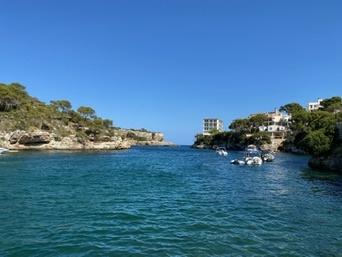
Cala Figuera
More Fotos