Are there underwater caves or reefs around Mallorca worth exploring?
Similar Topics
underwater caves
mallorca diving
posidonia seagrass
formentor diving
cala llombards
cabrera national park
mediterranean marine life
mallorca snorkeling
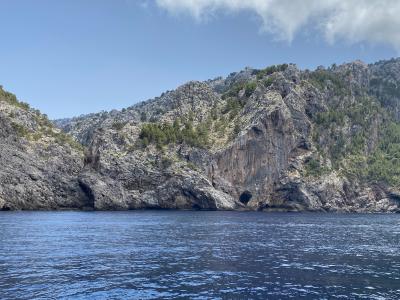
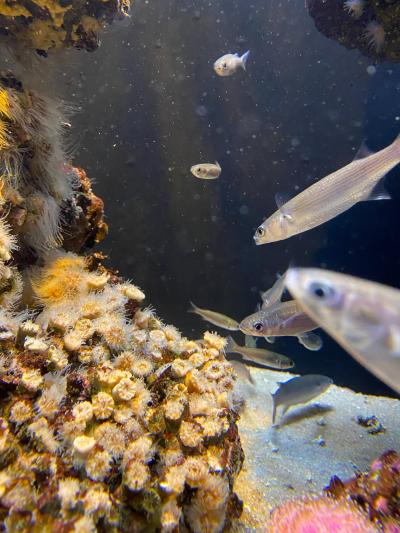
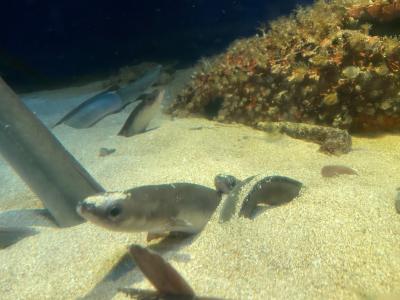
For those keen to dive beneath the surface, Mallorca presents some compelling underwater landscapes, though its underwater caves aren’t as vast or famous as those in other parts of the Mediterranean. Along the rugged coastline near Cala Sant Vicenç and the northern cap at Formentor, divers can explore rocky underwater grottoes and small cave systems carved into the limestone. These areas often teem with Mediterranean marine life such as grouper, octopus, and colorful nudibranchs.
The Posidonia seagrass meadows around the island, particularly near Cabrera Archipelago National Park, form an essential underwater ecosystem providing shelter for numerous fish and invertebrates. These seagrass beds are so vital that they are protected under the UNESCO World Heritage List, making snorkeling or diving here feel like glimpsing a fragile underwater garden rather than the traditional coral reef experience. Visibility is generally excellent in late spring and summer, offering clear views of the diverse marine flora and fauna.
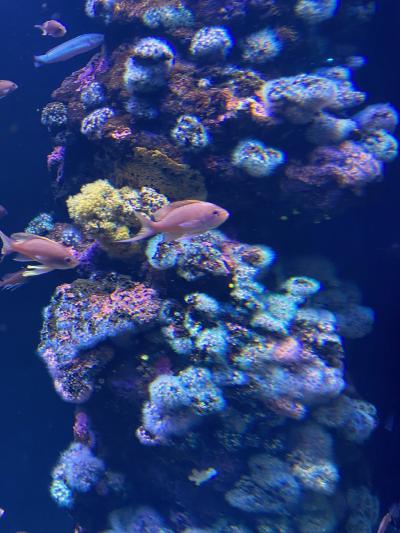
For a more dramatic underwater feature, the drop-offs near the small coves such as Cala Llombards and Cala Varques reveal walls covered with sponges and gorgonians. Although Mallorca doesn’t have large coral reefs like the Caribbean, local dive centers around Palma and Port de Sóller provide guided tours to the best spots where curious divers can enjoy caves, tunnels, and abundant sea life. Snorkellers and scuba divers alike find the mix of rocky formations and seagrass meadows a rewarding contrast to more typical reef environments.
The Posidonia seagrass meadows around the island, particularly near Cabrera Archipelago National Park, form an essential underwater ecosystem providing shelter for numerous fish and invertebrates. These seagrass beds are so vital that they are protected under the UNESCO World Heritage List, making snorkeling or diving here feel like glimpsing a fragile underwater garden rather than the traditional coral reef experience. Visibility is generally excellent in late spring and summer, offering clear views of the diverse marine flora and fauna.
For a more dramatic underwater feature, the drop-offs near the small coves such as Cala Llombards and Cala Varques reveal walls covered with sponges and gorgonians. Although Mallorca doesn’t have large coral reefs like the Caribbean, local dive centers around Palma and Port de Sóller provide guided tours to the best spots where curious divers can enjoy caves, tunnels, and abundant sea life. Snorkellers and scuba divers alike find the mix of rocky formations and seagrass meadows a rewarding contrast to more typical reef environments.

Cales de Mallorca
More Fotos