How do the gardens on the island reflect Mallorca's climate and geography?
Similar Topics
mallorca gardens
mallorca climate
tramuntana plants
mallorca native flora
mediterranean gardens
mallorca terraces
mallorca drought plants
binissalem agriculture
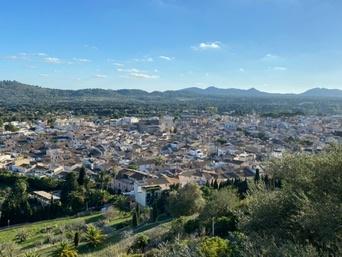
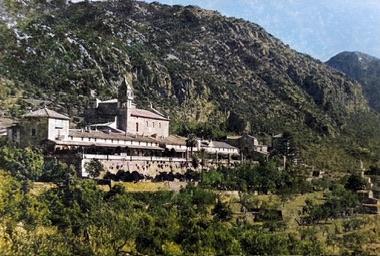
Gardens across Mallorca mirror the island’s Mediterranean climate and varied landscape, displaying plants perfectly suited to the warm, dry summers and mild winters. In the Tramuntana mountains, terraced gardens often feature drought-resistant herbs like rosemary and thyme, alongside olive and fig trees that have thrived here for centuries. These plants not only withstand the long dry spells but also highlight the region’s agricultural traditions and the way locals have worked with the rugged terrain.
Near the coast, such as around Cala Mondrago or Formentor, gardens frequently include succulents and bougainvillea, their vivid blooms bringing splashy color against backdrop of limestone. In contrast, the fertile plains around Manacor and Binissalem support greener, more irrigated gardens where fruit trees and flowering plants flourish, reflecting the more abundant water supply and richer soils found here.
The traditional Mallorcan garden often integrates native species like aloe vera and lavender, providing a habitat for local wildlife while reducing the need for excessive watering. Stone walls and terraces appear throughout these gardens, an age-old technique to manage the hilly topography and scarce rainfall efficiently. Walking through a garden in Valldemossa or Deia offers a strong sense of place, where every plant relates to the island’s geography and climate, weaving together nature and culture in a quietly resilient landscape.
Near the coast, such as around Cala Mondrago or Formentor, gardens frequently include succulents and bougainvillea, their vivid blooms bringing splashy color against backdrop of limestone. In contrast, the fertile plains around Manacor and Binissalem support greener, more irrigated gardens where fruit trees and flowering plants flourish, reflecting the more abundant water supply and richer soils found here.
The traditional Mallorcan garden often integrates native species like aloe vera and lavender, providing a habitat for local wildlife while reducing the need for excessive watering. Stone walls and terraces appear throughout these gardens, an age-old technique to manage the hilly topography and scarce rainfall efficiently. Walking through a garden in Valldemossa or Deia offers a strong sense of place, where every plant relates to the island’s geography and climate, weaving together nature and culture in a quietly resilient landscape.
More Fotos