What conservation efforts protect wildlife on the island and its natural parks?
Similar Topics
wildlife conservation
natural parks
biodiversity
mondragó park
balearic shearwater
tramuntana mountain
sustainable tourism
wildlife rehabilitation
If you’re exploring the Serra de Tramuntana or wandering through the coastal coves near Formentor, you’ll notice that many areas are carefully managed to preserve their unique wildlife and landscapes. Protected natural parks like the Mondragó Natural Park near Santanyi serve as vital sanctuaries for native birds, reptiles, and plant life, maintaining a fragile balance that conservationists work hard to uphold. The island’s authorities, alongside local environmental groups, oversee these reserves with a focus on habitat preservation and species protection, often restricting access during sensitive breeding seasons to minimize disturbance.
Outside the parks, groups dedicated to local fauna keep a close eye on species such as the Balearic shearwater and the endemic Mallorcan midwife toad through ongoing research and habitat monitoring. These organizations frequently engage with the public, offering guided eco-tours or educational workshops often held in towns like Alcudia or Pollenca, fostering community involvement and awareness. Rehabilitation centers near Palma provide refuge to injured wildlife, nursing them back to health before release, a testament to the island’s commitment to safeguarding its natural heritage.
Sustainable tourism initiatives have also taken root here, with many hotels, farms, and tour operators promoting eco-friendly practices to reduce their carbon footprint and protect natural surroundings. Choosing local produce—perhaps a glass of Binissalem wine alongside traditional sobrassada or a crisp pa amb oli—supports not only the island’s economy but conservation efforts indirectly. By respecting protected areas and opting for responsible wildlife interactions, visitors ensure the splendour of Mallorca’s flora and fauna endures for future generations to discover.
Outside the parks, groups dedicated to local fauna keep a close eye on species such as the Balearic shearwater and the endemic Mallorcan midwife toad through ongoing research and habitat monitoring. These organizations frequently engage with the public, offering guided eco-tours or educational workshops often held in towns like Alcudia or Pollenca, fostering community involvement and awareness. Rehabilitation centers near Palma provide refuge to injured wildlife, nursing them back to health before release, a testament to the island’s commitment to safeguarding its natural heritage.
Sustainable tourism initiatives have also taken root here, with many hotels, farms, and tour operators promoting eco-friendly practices to reduce their carbon footprint and protect natural surroundings. Choosing local produce—perhaps a glass of Binissalem wine alongside traditional sobrassada or a crisp pa amb oli—supports not only the island’s economy but conservation efforts indirectly. By respecting protected areas and opting for responsible wildlife interactions, visitors ensure the splendour of Mallorca’s flora and fauna endures for future generations to discover.
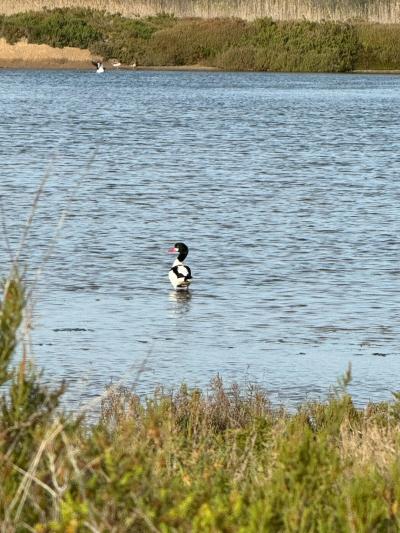
ses Covetes
More Fotos