How does the sea temperature affect local marine life around Mallorca?
Similar Topics
Mallorca marine life
Mediterranean climate
sea temperature impact
marine biodiversity
diving Mallorca
sustainable fishing
seagrass meadows
Mediterranean monk seal
fish species Mallorca
marine conservation Mallorca
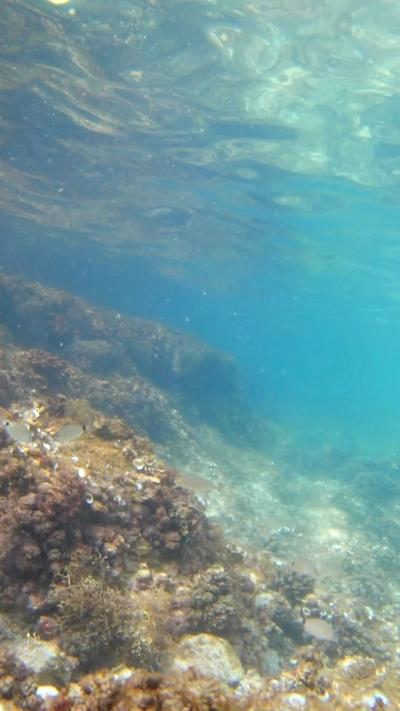
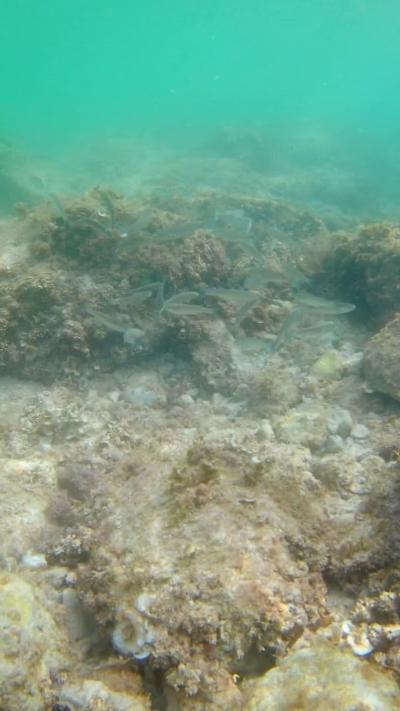
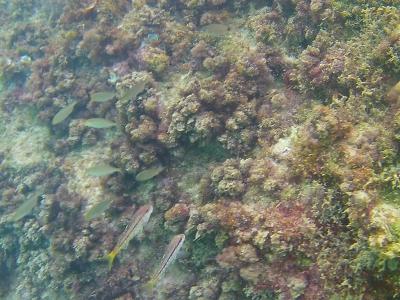
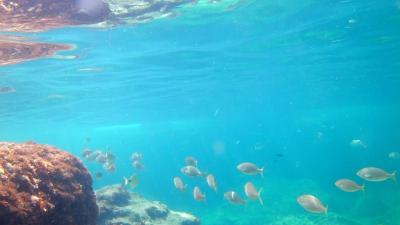
The sea temperature around Mallorca plays a crucial role in shaping the local marine ecosystem. Generally, the Mediterranean climate, characterized by warm, sunny summers and mild winters, creates a stable environment for a diverse range of marine life. During the summer months, water temperatures can rise to around 26 to 28 degrees Celsius, which is ideal for many species of fish, mollusks, and crustaceans. These warmer conditions encourage breeding and feeding, allowing populations to thrive and support the vibrant marine biodiversity that attracts divers and snorkelers from around the world.
As temperatures rise, certain species become more prevalent while others may migrate to cooler waters. For instance, fish like the grouper and various bream species flourish in the warmth, while the iconic Mediterranean monk seal, although rare, relies on cooler areas for its habitat. Additionally, the temperature impacts the growth of seagrass meadows, which are essential nursery grounds for juvenile fish and other marine organisms. These meadows are particularly sensitive to temperature changes, and their health is critical for maintaining a balanced ecosystem.
In the winter months, the sea temperature drops, typically ranging from 13 to 15 degrees Celsius. This cooler water can lead to a decrease in activity for some species, while others, such as certain types of squid and cold-water fish, find this environment more suitable. The seasonal shifts in temperature not only influence the behavior and distribution of marine life but also affect local fishing practices and the overall health of the marine environment. Understanding these dynamics is essential for conservation efforts and ensures that Mallorca's rich marine resources can be enjoyed by future generations.
As temperatures rise, certain species become more prevalent while others may migrate to cooler waters. For instance, fish like the grouper and various bream species flourish in the warmth, while the iconic Mediterranean monk seal, although rare, relies on cooler areas for its habitat. Additionally, the temperature impacts the growth of seagrass meadows, which are essential nursery grounds for juvenile fish and other marine organisms. These meadows are particularly sensitive to temperature changes, and their health is critical for maintaining a balanced ecosystem.
In the winter months, the sea temperature drops, typically ranging from 13 to 15 degrees Celsius. This cooler water can lead to a decrease in activity for some species, while others, such as certain types of squid and cold-water fish, find this environment more suitable. The seasonal shifts in temperature not only influence the behavior and distribution of marine life but also affect local fishing practices and the overall health of the marine environment. Understanding these dynamics is essential for conservation efforts and ensures that Mallorca's rich marine resources can be enjoyed by future generations.
More Fotos