What architectural styles are characteristic of historic buildings in Palma de Mallorca?
Similar Topics
palma cathedral
gothic architecture
moorish influence
renaissance buildings
tramuntana villages
mallorcan stone houses
historic palaces
ma-10 road
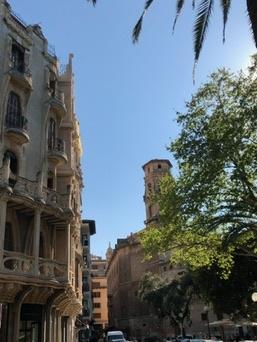
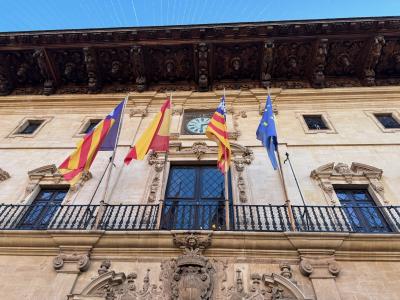
Many historic buildings in Palma showcase a captivating mix of Gothic, Moorish, and Renaissance influences that mirror the city’s complex past. The towering Cathedral of Santa Maria, known locally as La Seu, dominates the skyline with its imposing Gothic structure, flying buttresses, and stunning rose window. Nearby, narrow streets and quaint squares reveal traditional Mallorcan stone houses blending Gothic stonework with later Renaissance details like wrought iron balconies and wooden shutters.
Moorish elements linger in the form of intricate tilework and stucco patterns, a reminder of the island’s Islamic period before Christian reconquest. The influence of the Renaissance is particularly visible in private palaces around the old town, with elegant arcades and symmetrical façades that soften the fortress-like strength of earlier styles. This layering of architectural periods tells the story of Palma as a Mediterranean crossroads, where different cultures and eras have left beautiful traces.
Beyond the city centre, towns like Valldemossa and Pollença exhibit simpler rural styles, often built with local stone and red-tiled roofs, harmonizing with the surrounding Serra de Tramuntana landscape. When wandering through these places or following the Ma-10 road through mountain villages, you experience a living architectural heritage, one that reflects centuries of adaptation to both island climate and culture.
Moorish elements linger in the form of intricate tilework and stucco patterns, a reminder of the island’s Islamic period before Christian reconquest. The influence of the Renaissance is particularly visible in private palaces around the old town, with elegant arcades and symmetrical façades that soften the fortress-like strength of earlier styles. This layering of architectural periods tells the story of Palma as a Mediterranean crossroads, where different cultures and eras have left beautiful traces.
Beyond the city centre, towns like Valldemossa and Pollença exhibit simpler rural styles, often built with local stone and red-tiled roofs, harmonizing with the surrounding Serra de Tramuntana landscape. When wandering through these places or following the Ma-10 road through mountain villages, you experience a living architectural heritage, one that reflects centuries of adaptation to both island climate and culture.

Palma
More Fotos