How do locals in Mallorca traditionally use native plants in their daily and cultural life?
Similar Topics
mallorca herbs
traditional medicine
local cuisine
hierbas liqueur
tramuntana plants
sant sebastia
pa amb oli
folk remedies
The rich botanical heritage of the island is closely intertwined with Mallorca’s rural traditions and local lifestyle. For centuries, families in towns like Valldemossa and Deia have gathered wild herbs such as rosemary, thyme, and lavender not only for cooking but also for natural remedies passed down through generations. These aromatic plants often accompany dishes like tumbet or pa amb oli, enhancing flavor and offering subtle health benefits. Beyond culinary uses, many locals prepare infusions of Hierbas, a traditional herbal liqueur made from a mix of Mediterranean plants, which is a beloved digestif after meals.
In the Serra de Tramuntana and the fertile plains around Manacor, indigenous vegetation has long played a role in folk medicine. Herbs are traditionally brewed into teas or applied topically to soothe common ailments like colds or minor skin irritations. The knowledge of which plants to use and when is carefully preserved by older generations, often shared informally or during community events. Additionally, native blooms and herbs are used in festive decorations, particularly in Alcudia’s Sant Sebastia celebrations, where nature’s offerings mark the island’s cultural calendar.
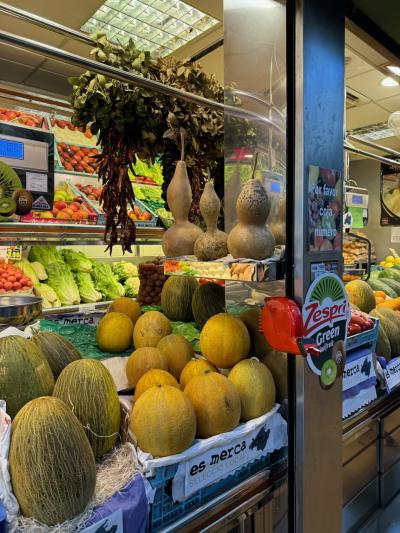
This reverence for local flora continues in small but meaningful ways—whether in markets, where sobrassada might be paired with bread and local herbs, or during small-scale farming in the island’s interior. Exploring Mallorca with an eye on these traditions not only enriches your visit but also provides insight into how deeply embedded nature is in both everyday life and special island rituals.
In the Serra de Tramuntana and the fertile plains around Manacor, indigenous vegetation has long played a role in folk medicine. Herbs are traditionally brewed into teas or applied topically to soothe common ailments like colds or minor skin irritations. The knowledge of which plants to use and when is carefully preserved by older generations, often shared informally or during community events. Additionally, native blooms and herbs are used in festive decorations, particularly in Alcudia’s Sant Sebastia celebrations, where nature’s offerings mark the island’s cultural calendar.
This reverence for local flora continues in small but meaningful ways—whether in markets, where sobrassada might be paired with bread and local herbs, or during small-scale farming in the island’s interior. Exploring Mallorca with an eye on these traditions not only enriches your visit but also provides insight into how deeply embedded nature is in both everyday life and special island rituals.
Cala Figuera
More Fotos