When is the best time to see wildlife and animal interactions on the island?
Similar Topics
mallorca wildlife
tramuntana animals
s’albufera birds
cala mondrago nature
formentor wildlife
es trenc fauna
binissalem harvest
tib bus wildlife
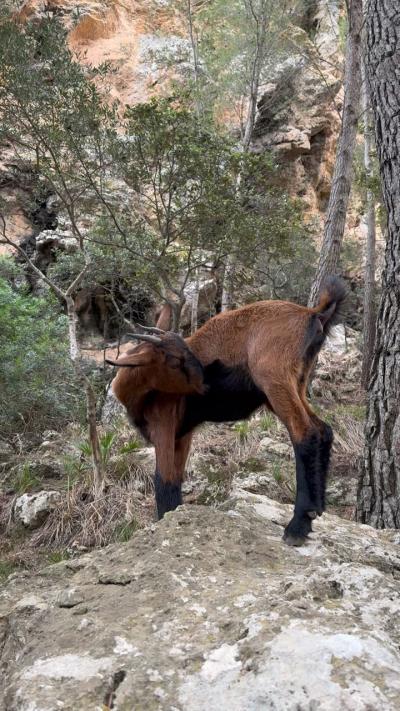
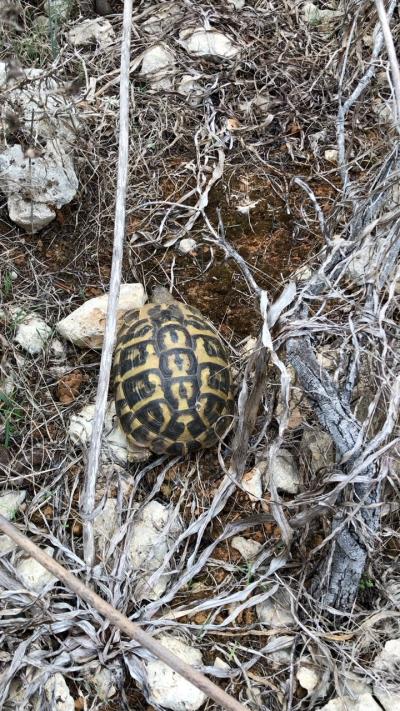
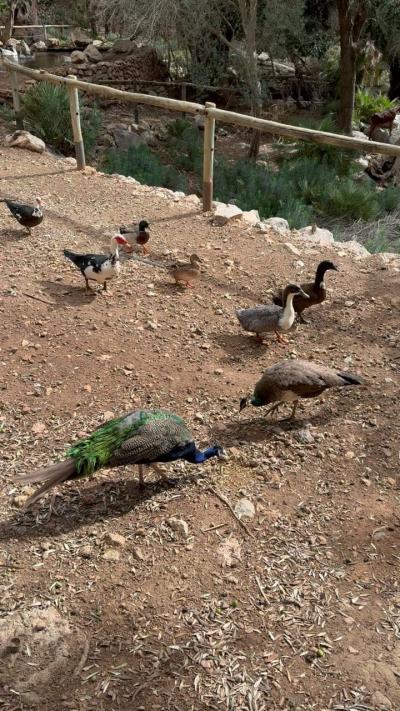
Many visitors arrive expecting Mallorca’s wildlife to be most active only in summer, but the island’s natural rhythms offer richer encounters in spring and early autumn. During these seasons, the Tramuntana mountains awaken with birdlife and mammals moving about in the milder weather. This is when you’re most likely to spot native species such as the Balearic lizard or migratory birds in places like S’Albufera wetland near Alcúdia.
Spring is also the breeding season for many birds, so woodland areas near Valldemossa or Pollenca buzz with avian activity. Along the coast, especially near the secluded coves of Cala Mondragó or Formentor, you might glimpse marine birds fishing or small crabs and fish around tidal pools. Autumn, with its calm seas and dwindling tourist crowds, brings quieter beaches like Es Trenc to life with shellfish and coastal wildlife preparing for winter.
While large mammals are scarce, the island’s traditional farmlands and olive groves often attract inquisitive rabbits and hedgehogs. Using the extensive TIB bus network, or hiking well-marked trails by the Ma-10, adds a chance to catch sight of these creatures away from more developed towns such as Palma or Manacor. Wildflower blooms in spring and the harvest seasons in Binissalem also make the environment vibrant, creating excellent opportunities to connect with Mallorca’s natural world beyond its popular resorts.
Spring is also the breeding season for many birds, so woodland areas near Valldemossa or Pollenca buzz with avian activity. Along the coast, especially near the secluded coves of Cala Mondragó or Formentor, you might glimpse marine birds fishing or small crabs and fish around tidal pools. Autumn, with its calm seas and dwindling tourist crowds, brings quieter beaches like Es Trenc to life with shellfish and coastal wildlife preparing for winter.
While large mammals are scarce, the island’s traditional farmlands and olive groves often attract inquisitive rabbits and hedgehogs. Using the extensive TIB bus network, or hiking well-marked trails by the Ma-10, adds a chance to catch sight of these creatures away from more developed towns such as Palma or Manacor. Wildflower blooms in spring and the harvest seasons in Binissalem also make the environment vibrant, creating excellent opportunities to connect with Mallorca’s natural world beyond its popular resorts.

More Fotos