What food poisoning symptoms should I watch out for when eating on Mallorca?
Similar Topics
food poisoning symptoms
mallorca food safety
pa amb oli
beach food safety
hydration tips
binissalem wine
local pharmacies
medical advice mallorca
Locals tend to trust Mallorca’s food safety standards, but just like anywhere welcoming tourists, it pays to know the warning signs of food poisoning. Typical symptoms include nausea, vomiting, stomach cramps, diarrhea, and sometimes a mild fever. These usually appear hours or even a couple of days after eating something contaminated, so it’s important to notice if you start feeling unwell after a meal in cafés or restaurants in towns like Palma or Soller.
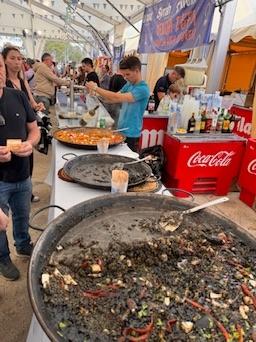
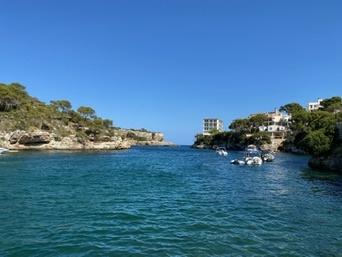
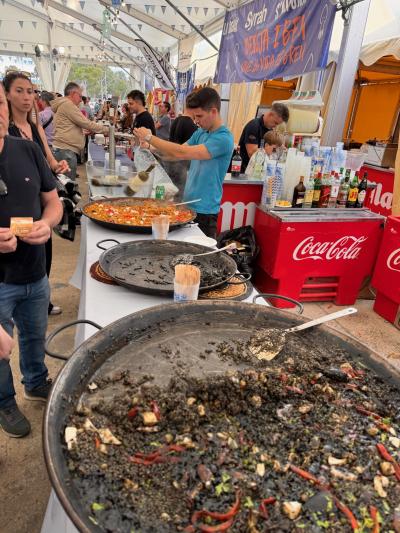
Eating freshly prepared dishes such as pa amb oli or tumbet at reputable spots can reduce risk, but be a little cautious with street food stalls or beach chiringuitos, especially near busy bays like Cala Mondrago or Es Trenc. When symptoms arise, resting and keeping hydrated is key since dehydration can escalate quickly in the Mediterranean heat. Pharmacies in towns like Alcudia or Manacor often handle tourist health queries and can advise on over-the-counter remedies or direct you to local clinics if needed.
If your condition worsens or severe diarrhea and a high fever develop, seek medical attention promptly. Drinking bottled water—widely available and recommended outside Palma’s tap water—can also help prevent illness. Enjoying the island’s rich gastronomy, including a glass of Binissalem wine or a digestif like Hierbas, is part of the experience, but staying mindful of how your body reacts will keep your trip on track.
Eating freshly prepared dishes such as pa amb oli or tumbet at reputable spots can reduce risk, but be a little cautious with street food stalls or beach chiringuitos, especially near busy bays like Cala Mondrago or Es Trenc. When symptoms arise, resting and keeping hydrated is key since dehydration can escalate quickly in the Mediterranean heat. Pharmacies in towns like Alcudia or Manacor often handle tourist health queries and can advise on over-the-counter remedies or direct you to local clinics if needed.
If your condition worsens or severe diarrhea and a high fever develop, seek medical attention promptly. Drinking bottled water—widely available and recommended outside Palma’s tap water—can also help prevent illness. Enjoying the island’s rich gastronomy, including a glass of Binissalem wine or a digestif like Hierbas, is part of the experience, but staying mindful of how your body reacts will keep your trip on track.
Alcanada
More Fotos