What is the history of Cala Mondragó and how has it changed over the years?
Similar Topics
Cala Mondragó
Mallorca history
natural park
Talayotic culture
pristine beaches
biodiversity
tourism in Mallorca
wildlife in Cala Mondragó
hiking trails Mallorca
beach activities
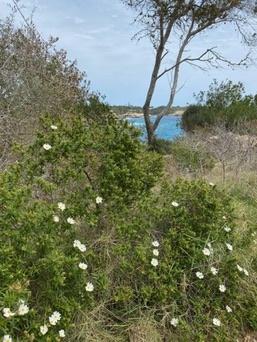
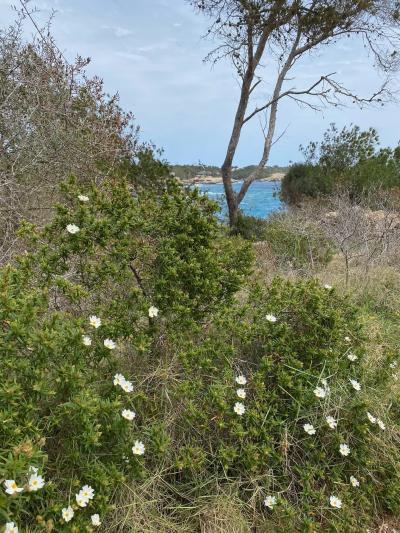
Cala Mondragó, located on the southeastern coast of Mallorca, is a stunning natural bay that has long been admired for its breathtaking beauty and rich biodiversity. The area has deep historical roots, with evidence of human settlement dating back to prehistoric times. Archaeological findings indicate that the region was inhabited by the Talayotic culture, which built stone structures and left behind artifacts that reflect a connection to the sea and its resources. Over the centuries, Cala Mondragó has transitioned from a quiet fishing community to a protected natural park, showcasing its picturesque landscapes and diverse ecosystems.
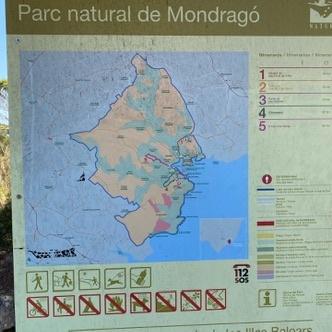
In the mid-20th century, the area began to attract more visitors, drawn by its pristine beaches and crystal-clear waters. This surge in tourism led to increased development, but thankfully, local authorities recognized the importance of preserving the unique environment. In 1992, Cala Mondragó was designated a natural park, which helped to safeguard its stunning cliffs, sandy beaches, and the diverse flora and fauna that thrive in the region. This protection has allowed Cala Mondragó to maintain its natural charm while still welcoming tourists who seek both relaxation and adventure.
Today, visitors can enjoy a variety of activities in Cala Mondragó, from hiking along scenic trails to swimming in the tranquil waters of its two main beaches, Cala Mondragó and Cala Sa Font de n'Alis. The park is also home to a wide range of wildlife, including migratory birds, making it a popular spot for nature enthusiasts and birdwatchers. The harmonious blend of natural beauty and thoughtful conservation efforts has transformed Cala Mondragó into a beloved destination that continues to enchant visitors while respecting its rich history and ecological significance.
In the mid-20th century, the area began to attract more visitors, drawn by its pristine beaches and crystal-clear waters. This surge in tourism led to increased development, but thankfully, local authorities recognized the importance of preserving the unique environment. In 1992, Cala Mondragó was designated a natural park, which helped to safeguard its stunning cliffs, sandy beaches, and the diverse flora and fauna that thrive in the region. This protection has allowed Cala Mondragó to maintain its natural charm while still welcoming tourists who seek both relaxation and adventure.
Today, visitors can enjoy a variety of activities in Cala Mondragó, from hiking along scenic trails to swimming in the tranquil waters of its two main beaches, Cala Mondragó and Cala Sa Font de n'Alis. The park is also home to a wide range of wildlife, including migratory birds, making it a popular spot for nature enthusiasts and birdwatchers. The harmonious blend of natural beauty and thoughtful conservation efforts has transformed Cala Mondragó into a beloved destination that continues to enchant visitors while respecting its rich history and ecological significance.

Portopetro
More Fotos