How do Binissalem wines compare to those from other Spanish wine regions?
Similar Topics
binissalem wine
mallorca vineyards
manto negro grape
callet wine
spanish wine regions
tramuntana terroir
local mallorca wine
binissalem tastings
The tradition of winemaking in the Binissalem region dates back centuries, nurtured by the island’s north-central limestone soils and Mediterranean climate. Vineyards mostly grow native varieties such as Manto Negro and Callet, which thrive here and give the wines a distinctive balance of ripe fruit and earthy mineral notes. Local producers often blend these grapes with international varieties like Cabernet Sauvignon, resulting in reds that are both approachable and layered in complexity.
Compared to other renowned Spanish wine regions, Binissalem wines typically carry a lighter, fresher profile. Unlike the bold, tannic Tempranillos of Rioja or the robust Priorat reds, wines from here tend to emphasize subtle aromas and a delicate minerality that reflects the island’s unique terroir. The area’s white and rosé wines often deliver crisp acidity and fragrant Mediterranean herbs, pairing perfectly with local dishes such as tumbet or sobrassada.
Visiting a vineyard in this part of Mallorca offers not just tastings but a glimpse into the island’s history and the deep connection between the land and its people. Producers are proud to blend traditional practices, like careful hand-harvesting and long macerations, with modern techniques that express the region’s true character. Sampling these wines amid the backdrop of the Tramuntana foothills or the serene village of Consell adds a memorable layer to appreciating how these island bottles compare with Spain’s wider wine heritage.
Compared to other renowned Spanish wine regions, Binissalem wines typically carry a lighter, fresher profile. Unlike the bold, tannic Tempranillos of Rioja or the robust Priorat reds, wines from here tend to emphasize subtle aromas and a delicate minerality that reflects the island’s unique terroir. The area’s white and rosé wines often deliver crisp acidity and fragrant Mediterranean herbs, pairing perfectly with local dishes such as tumbet or sobrassada.
Visiting a vineyard in this part of Mallorca offers not just tastings but a glimpse into the island’s history and the deep connection between the land and its people. Producers are proud to blend traditional practices, like careful hand-harvesting and long macerations, with modern techniques that express the region’s true character. Sampling these wines amid the backdrop of the Tramuntana foothills or the serene village of Consell adds a memorable layer to appreciating how these island bottles compare with Spain’s wider wine heritage.
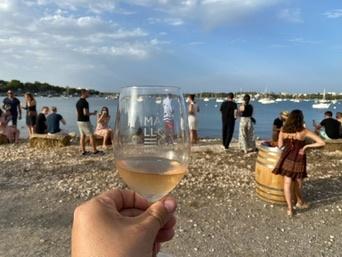
Cala Marçal
More Fotos