How has Pollença's architecture been influenced by its history?
Similar Topics
Pollença architecture
Mallorca history
Roman infrastructure
Moorish influence
Gothic period
Church of Our Lady of the Angels
Plaça Major
Catalan architectural style
18th century buildings
cobblestone streets
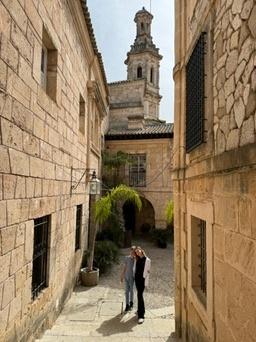
Pollença, a charming town nestled in the foothills of the Serra de Tramuntana in Mallorca, boasts a rich architectural tapestry that reflects its diverse history. Originally established by the Romans, the town has preserved elements from ancient times, with remnants of Roman infrastructure subtly integrated into its layout. As you stroll through its cobblestone streets, you'll likely notice how the grid-like design reflects Roman urban planning, which laid the groundwork for the town's development. This historical layer is complemented by the influence of the Moors, whose presence in the region from the 9th to the 13th centuries introduced intricate architectural details, such as arches and decorative motifs that still resonate in the town's buildings.
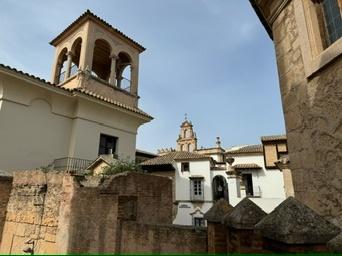
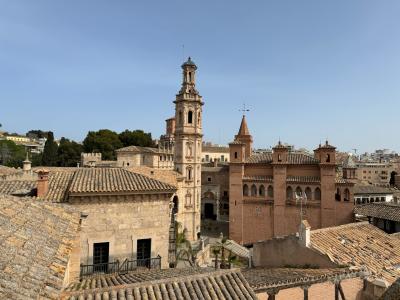
The Gothic period left a significant mark on Pollença, particularly evident in its stunning churches and religious structures. The most notable is the 13th-century Church of Our Lady of the Angels, which showcases a beautiful mix of Gothic and Baroque elements. Its imposing facade and soaring bell tower stand as a testament to the town's spiritual importance during the medieval era. Furthermore, the town's charming squares, like the main Plaça Major, are lined with traditional stone houses adorned with wrought iron balconies, reflecting both the island's agricultural past and the influence of the Catalan architectural style.
As you explore Pollença, you'll also encounter 18th and 19th-century buildings that emerged during periods of prosperity, particularly linked to the flourishing agricultural sector. The town’s architecture thus narrates the story of its resilience and adaptation through various historical phases, from Roman colonization to Moorish rule and subsequent Christian reconquest. This blend of styles not only enhances Pollença's aesthetic appeal but also serves as a window into its layered history, making it a fascinating destination for those interested in architecture and culture alike.
The Gothic period left a significant mark on Pollença, particularly evident in its stunning churches and religious structures. The most notable is the 13th-century Church of Our Lady of the Angels, which showcases a beautiful mix of Gothic and Baroque elements. Its imposing facade and soaring bell tower stand as a testament to the town's spiritual importance during the medieval era. Furthermore, the town's charming squares, like the main Plaça Major, are lined with traditional stone houses adorned with wrought iron balconies, reflecting both the island's agricultural past and the influence of the Catalan architectural style.
As you explore Pollença, you'll also encounter 18th and 19th-century buildings that emerged during periods of prosperity, particularly linked to the flourishing agricultural sector. The town’s architecture thus narrates the story of its resilience and adaptation through various historical phases, from Roman colonization to Moorish rule and subsequent Christian reconquest. This blend of styles not only enhances Pollença's aesthetic appeal but also serves as a window into its layered history, making it a fascinating destination for those interested in architecture and culture alike.
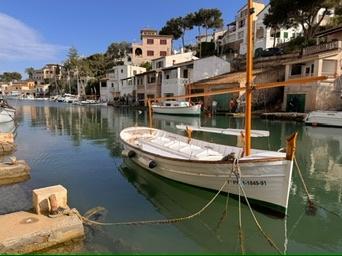
Cala Figuera
More Fotos