How do restaurant prices in Palma compare to those in smaller Mallorcan towns like Sóller or Pollença?
Similar Topics
palma dining
soller restaurants
pollença food
mallorca local cuisine
binissalem wine
pa amb oli
tramuntana villages
mallorca beaches restaurants
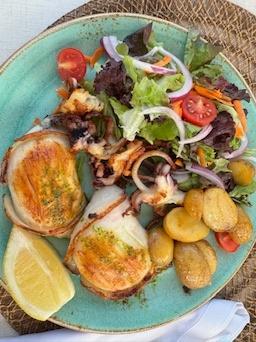
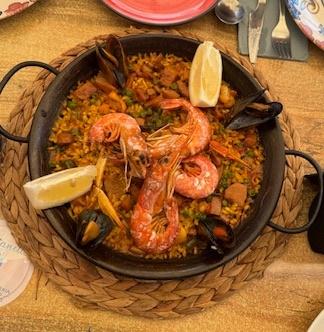
The culinary landscape here is shaped by a long tradition of local agriculture and fishing, which keeps many dishes rooted in authentic Mallorcan flavors. Palma, as the island's capital, generally offers a broader range of dining experiences, with prices reflecting the mix of tourist-friendly options and high-end establishments. It's common to find casual cafes and tapas bars in Palma where a meal might cost anywhere from moderate to a bit more, especially in the historic center or along the Passeig des Born.
In contrast, towns like Sóller and Pollença often maintain a slightly more relaxed and traditional pricing structure, partly because they're less saturated with tourism compared to Palma. A typical meal featuring local specialties such as pa amb oli with sobrassada or tumbet is usually quite affordable in these areas, with charming family-run restaurants delivering generous portions and hearty flavors without the city premium. Despite this, some spots near popular beaches like Cala Mondragó or up in the Tramuntana villages like Deià can push prices higher during peak seasons.
Upscale dining on the island often emphasizes the use of local ingredients such as Binissalem wines, fresh seafood, and artisanal cheeses, paired with carefully curated wines or digestifs like Hierbas or Palo. These meals, found mostly in Palma and luxury coastal resorts like Formentor, naturally command higher prices. Whether choosing a rustic eatery on the Ma-10 road between towns or an elegant restaurant in downtown Palma, there’s a wealth of options that reflect the island’s rich gastronomic heritage to suit various budgets.
In contrast, towns like Sóller and Pollença often maintain a slightly more relaxed and traditional pricing structure, partly because they're less saturated with tourism compared to Palma. A typical meal featuring local specialties such as pa amb oli with sobrassada or tumbet is usually quite affordable in these areas, with charming family-run restaurants delivering generous portions and hearty flavors without the city premium. Despite this, some spots near popular beaches like Cala Mondragó or up in the Tramuntana villages like Deià can push prices higher during peak seasons.
Upscale dining on the island often emphasizes the use of local ingredients such as Binissalem wines, fresh seafood, and artisanal cheeses, paired with carefully curated wines or digestifs like Hierbas or Palo. These meals, found mostly in Palma and luxury coastal resorts like Formentor, naturally command higher prices. Whether choosing a rustic eatery on the Ma-10 road between towns or an elegant restaurant in downtown Palma, there’s a wealth of options that reflect the island’s rich gastronomic heritage to suit various budgets.
Cala Figuera
More Fotos