What architectural styles are featured in the Historic Centre of Palma?
Similar Topics
palma architecture
la seu cathedral
almudaina palace
mallorca gothic style
serra de tramuntana
baroque churches
historic mallorca towns
modernist buildings
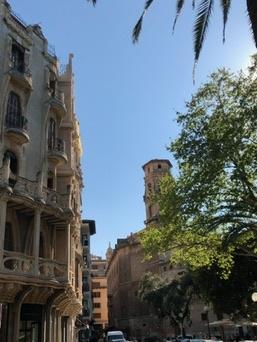
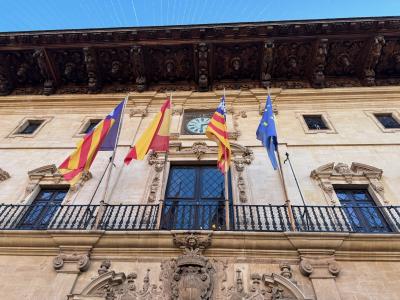
Strolling through Palma’s old town reveals a rich tapestry of architectural styles spanning centuries. The majestic Palma Cathedral, or La Seu, stands as a striking example of Gothic design, its soaring vaults and detailed stonework catching the Mediterranean sunlight. Nearby, the Royal Palace of Almudaina displays a blend of Moorish and Gothic influences, reflecting Mallorca's layered history under Muslim and Christian rule. Narrow streets open into courtyards adorned with Renaissance arches and secret gardens, typical of the island's aristocratic homes.
Beyond this, the city presents Baroque touches in church interiors and façades, particularly notable in churches like Sant Francesc with its ornate altarpieces and intricate wooden carvings. Modernist hints appear in some early 20th-century buildings, inspired by Catalan architectural movements, adding a lighter, decorative contrast to the older stone structures. Throughout Palma, contrasts of medieval walls mix with elegant neoclassical balconies, illustrating an evolving urban landscape shaped by its strategic port and cultural crossroads.
Exploring smaller towns such as Valldemossa and Deia further enriches this picture, where traditional stone houses with wooden shutters echo the rural heritage and practical mountain-influenced architecture of the Serra de Tramuntana. Each corner here tells a story of Mallorca’s complex cultural past, blending Islamic artistry, medieval Christian symbolism, and the refinement of later eras into a cohesive, uniquely island narrative.
Beyond this, the city presents Baroque touches in church interiors and façades, particularly notable in churches like Sant Francesc with its ornate altarpieces and intricate wooden carvings. Modernist hints appear in some early 20th-century buildings, inspired by Catalan architectural movements, adding a lighter, decorative contrast to the older stone structures. Throughout Palma, contrasts of medieval walls mix with elegant neoclassical balconies, illustrating an evolving urban landscape shaped by its strategic port and cultural crossroads.
Exploring smaller towns such as Valldemossa and Deia further enriches this picture, where traditional stone houses with wooden shutters echo the rural heritage and practical mountain-influenced architecture of the Serra de Tramuntana. Each corner here tells a story of Mallorca’s complex cultural past, blending Islamic artistry, medieval Christian symbolism, and the refinement of later eras into a cohesive, uniquely island narrative.
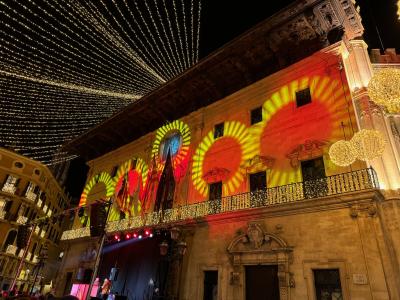
Palma
More Fotos