How does the flavor profile of Mallorca's olive oil differ from other regions?
Similar Topics
Mallorca olive oil
flavor profile
Arbequina
Mallorquina
Mediterranean cuisine
culinary applications
olive oil tasting
local markets
traditional farming
gastronomic heritage
Mallorca's olive oil is celebrated for its distinct flavor profile, which sets it apart from oils produced in other regions of Spain and beyond. The island's unique microclimate, characterized by warm Mediterranean sunshine and a diverse range of soils, contributes to the rich and robust flavors found in its olive oils. The predominant olive varieties grown here, such as Arbequina and Mallorquina, offer a delightful balance of fruitiness and mild bitterness, with a smooth finish that enhances the overall tasting experience. While Arbequina tends to impart a buttery, nutty flavor with a hint of sweetness, the Mallorquina variety introduces a slightly more intense, herbaceous quality.
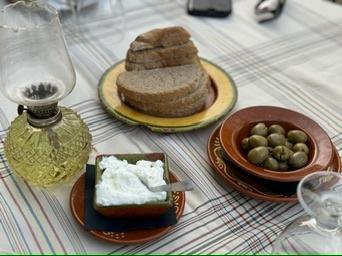
In contrast to olive oils from regions like Andalusia or Tuscany, where more aggressive flavors and sharper pepperiness may dominate, Mallorca's offerings are often described as more subtle and nuanced. This makes them incredibly versatile for culinary applications, whether drizzled over fresh bread, used in dressings, or as a finishing touch on roasted vegetables. The island's dedication to traditional farming methods, often involving organic practices and small-scale production, ensures that the olive oils maintain their quality and authenticity, allowing the true essence of Mallorca to shine through in every bottle.
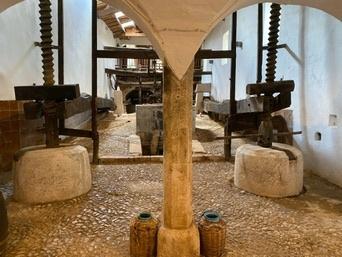
Exploring local markets or visiting olive oil mills on the island provides an opportunity to taste these oils firsthand and appreciate their unique characteristics. Many producers offer tastings, allowing you to experience the harmonious blend of flavors that define Mallorcan olive oil. This rich gastronomic heritage not only enhances the island's culinary scene but also invites visitors to connect with the land and its traditions in a meaningful way.
In contrast to olive oils from regions like Andalusia or Tuscany, where more aggressive flavors and sharper pepperiness may dominate, Mallorca's offerings are often described as more subtle and nuanced. This makes them incredibly versatile for culinary applications, whether drizzled over fresh bread, used in dressings, or as a finishing touch on roasted vegetables. The island's dedication to traditional farming methods, often involving organic practices and small-scale production, ensures that the olive oils maintain their quality and authenticity, allowing the true essence of Mallorca to shine through in every bottle.
Exploring local markets or visiting olive oil mills on the island provides an opportunity to taste these oils firsthand and appreciate their unique characteristics. Many producers offer tastings, allowing you to experience the harmonious blend of flavors that define Mallorcan olive oil. This rich gastronomic heritage not only enhances the island's culinary scene but also invites visitors to connect with the land and its traditions in a meaningful way.

Caimari
More Fotos