Which historical landmarks can I visit near Mallorca’s natural attractions?
Similar Topics
historic landmarks
serra de tramuntana
cala mondrago
pollenca
valldemossa
ma-10 road
sobrassada
tib buses
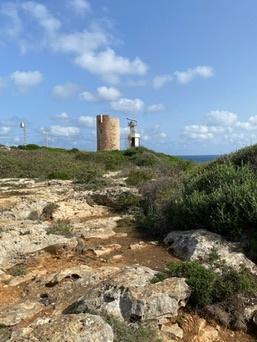
Natural beauty and history converge beautifully on the island, especially along the rugged coastline and within the Serra de Tramuntana mountains. Near the scenic coves of Cala Mondrago and Formentor, you can find historic watchtowers that once safeguarded the shores from pirate raids. These stone towers offer panoramic views and a glimpse into the maritime challenges faced by local communities centuries ago. Inland, towns like Valldemossa and Deià provide a blend of dramatic landscapes and centuries-old architecture, from quaint stone houses to monasteries and former noble estates, set against the backdrop of olive groves and terraced hillsides.
The Ma-10 road winds through the Tramuntana, connecting several villages where history is woven into the everyday fabric. In Pollenca, the ancient Roman bridge and the Calvary Steps lead you through a town rich in heritage, just minutes from the pine-shaded beaches of Cala San Vicente. Meanwhile, Alcudia’s medieval walls lie close to the natural preserve of Albufera, a haven for wildlife. Taking the traditional historic Soller railway or one of the island’s TIB buses allows you to explore these spots without the hassle of driving.
Local museums and cultural centres populate Palma and Manacor, often spotlighting the island’s past alongside its natural environment. Sampling specialties like pa amb oli or sobrassada in a centuries-old village square can be a historic experience in itself, linking the flavors and traditions to the land. Whether it’s a climb through olive groves in the Tramuntana or a visit to a centuries-old fortress overlooking Es Trenc beach, the island’s history is accessible and enriched by the surrounding wild beauty.
The Ma-10 road winds through the Tramuntana, connecting several villages where history is woven into the everyday fabric. In Pollenca, the ancient Roman bridge and the Calvary Steps lead you through a town rich in heritage, just minutes from the pine-shaded beaches of Cala San Vicente. Meanwhile, Alcudia’s medieval walls lie close to the natural preserve of Albufera, a haven for wildlife. Taking the traditional historic Soller railway or one of the island’s TIB buses allows you to explore these spots without the hassle of driving.
Local museums and cultural centres populate Palma and Manacor, often spotlighting the island’s past alongside its natural environment. Sampling specialties like pa amb oli or sobrassada in a centuries-old village square can be a historic experience in itself, linking the flavors and traditions to the land. Whether it’s a climb through olive groves in the Tramuntana or a visit to a centuries-old fortress overlooking Es Trenc beach, the island’s history is accessible and enriched by the surrounding wild beauty.
Sa Fonts Seca
More Fotos