What were the effects of the Spanish transition to democracy on Mallorca?
Similar Topics
Spanish transition to democracy
Mallorca history
Catalan language
Mallorcan customs
international tourism Mallorca
environmental concerns Mallorca
regional autonomy Balearic Islands
sustainable tourism Mallorca
Mallorca cultural identity
Mallorca local markets
The Spanish transition to democracy in the late 1970s had a profound impact on Mallorca, shaping both its political landscape and its cultural identity. Prior to this shift, the island was characterized by a repressive regime under Francisco Franco, which stifled regional languages and cultures. With the onset of democracy, there was a resurgence of local pride and a revitalization of the Catalan language, which is spoken alongside Spanish. This cultural awakening led to an increased emphasis on preserving traditional Mallorcan customs, arts, and festivals, making the island a vibrant tapestry of its historical roots and modern influences.
Economically, the transition marked a significant turning point for Mallorca. The democratization process opened the door to international tourism, which began to flourish in the 1980s. This influx of visitors brought job opportunities and investment, transforming Mallorca into a popular destination known for its stunning beaches, charming villages, and rich history. However, this rapid growth also brought challenges, such as environmental concerns and the strain on local resources. Balancing tourism with sustainability has become a critical focus for local authorities and communities, leading to initiatives aimed at preserving the island's natural beauty and cultural heritage.
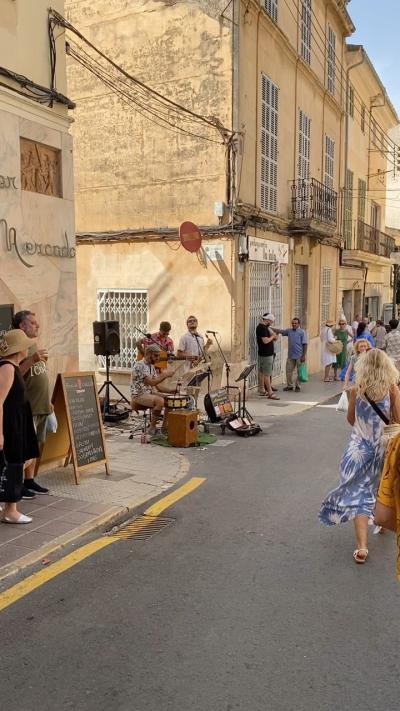
Moreover, the political changes encouraged greater regional autonomy, allowing Mallorca to assert its unique identity within the Balearic Islands. This newfound self-governance has fostered a sense of community and pride among residents. As visitors explore the island today, they can experience a blend of modern amenities and traditional practices, from local markets offering artisanal products to festivals celebrating the island's rich history. The effects of the transition to democracy continue to resonate, making Mallorca not just a picturesque destination but also a place where the past and present coexist harmoniously.
Economically, the transition marked a significant turning point for Mallorca. The democratization process opened the door to international tourism, which began to flourish in the 1980s. This influx of visitors brought job opportunities and investment, transforming Mallorca into a popular destination known for its stunning beaches, charming villages, and rich history. However, this rapid growth also brought challenges, such as environmental concerns and the strain on local resources. Balancing tourism with sustainability has become a critical focus for local authorities and communities, leading to initiatives aimed at preserving the island's natural beauty and cultural heritage.
Moreover, the political changes encouraged greater regional autonomy, allowing Mallorca to assert its unique identity within the Balearic Islands. This newfound self-governance has fostered a sense of community and pride among residents. As visitors explore the island today, they can experience a blend of modern amenities and traditional practices, from local markets offering artisanal products to festivals celebrating the island's rich history. The effects of the transition to democracy continue to resonate, making Mallorca not just a picturesque destination but also a place where the past and present coexist harmoniously.
ses Illetes
More Fotos