Where can I learn about the natural habitats and ecosystems of Mallorca's wildlife?
Similar Topics
mallorca wildlife
albufera de mallorca
serra de tramuntana
mondrago natural park
posidonia oceanica
mallorca birdwatching
ecosystem education
mallorca conservation
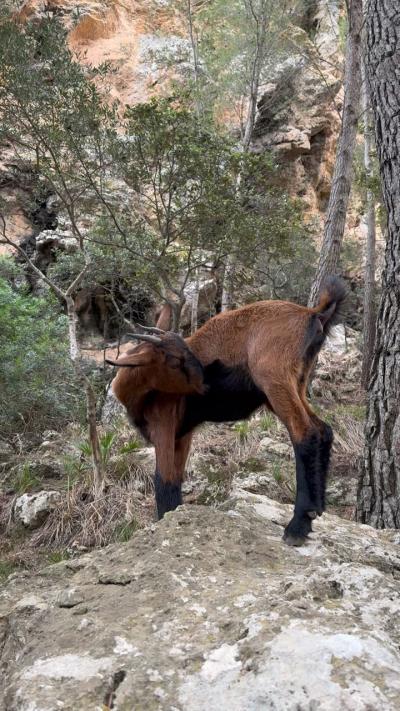
Exploring the island’s natural habitats and wildlife is both rewarding and accessible through several dedicated nature reserves and parks. The Albufera de Mallorca, near Playa de Muro, is the largest wetland in the Balearics and offers information about the habitats sustaining dozens of bird species, especially during migration. Here, interpretive trails and observation points help visitors understand the delicate balance of this ecosystem. On the other side of the island, the Serra de Tramuntana mountain range reveals a rugged natural habitat, where native flora and fauna adapt to limestone cliffs and pine forests, with occasional guided walks available that emphasize local environmental challenges and conservation efforts.
A visit to the Parc Natural de Mondragó on the southeast coast allows you to experience coastal ecosystems in protected coves like Cala Mondrago and S'Amarador. Informative signage and visitor centers highlight the interplay between Mediterranean marine life, dunes, and pinewoods. For those interested in maritime biodiversity, local aquariums in Palma and educational boat trips along the coast provide insights into Posidonia meadows and the marine species they support. In towns like Valldemossa or Sóller, small museums and eco-tourism operators occasionally offer workshops and talks about the island’s endemic species and the importance of preserving Mallorca’s unique habitats against tourism and climate pressures.
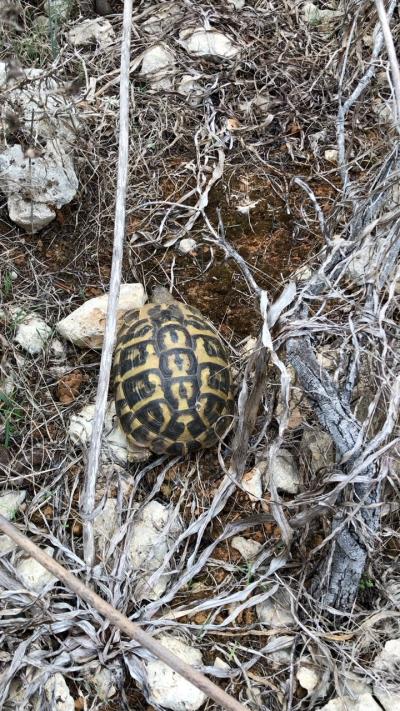
Engaging with these environments not only enhances understanding of the island’s rich biodiversity but also underscores the vital role of responsible travel and conservation. Whether wandering through almond groves during the Festa de l'Ametler or hiking the Ma-10 road, keeping an eye out for local species like the Balearic lizard or migratory birds connects you more deeply to Mallorca’s natural heritage.
A visit to the Parc Natural de Mondragó on the southeast coast allows you to experience coastal ecosystems in protected coves like Cala Mondrago and S'Amarador. Informative signage and visitor centers highlight the interplay between Mediterranean marine life, dunes, and pinewoods. For those interested in maritime biodiversity, local aquariums in Palma and educational boat trips along the coast provide insights into Posidonia meadows and the marine species they support. In towns like Valldemossa or Sóller, small museums and eco-tourism operators occasionally offer workshops and talks about the island’s endemic species and the importance of preserving Mallorca’s unique habitats against tourism and climate pressures.
Engaging with these environments not only enhances understanding of the island’s rich biodiversity but also underscores the vital role of responsible travel and conservation. Whether wandering through almond groves during the Festa de l'Ametler or hiking the Ma-10 road, keeping an eye out for local species like the Balearic lizard or migratory birds connects you more deeply to Mallorca’s natural heritage.

More Fotos

Related Questions
Related Question
Are there restrooms and changing facilities available near popular beaches and towns in Mallorca for families?
Related Question
Do Mallorcans serve tap water when hosting visitors, or do they prefer bottled water?
Related Question
What historical sites in Pollença are worth visiting for their nostalgic significance?