What architectural style defines the historic convent in Valldemossa?
Similar Topics
valldemossa convent
real cartuja architecture
serra de tramuntana
gothic baroque style
mallorca monasteries
historical architecture
chopin valldemossa
baroque altarpieces
The Real Cartuja de Valldemossa, a striking landmark in the Serra de Tramuntana, showcases a blend of Gothic and Baroque architectural styles. The original Gothic structure dates back to the 14th century, evident in its pointed arches and sturdy stone walls, while the later Baroque additions introduce more ornamental details and dramatic spatial compositions. Approaching the convent, visitors will notice the austere exterior typical of monastic buildings, balanced by the elegant curves and decorative elements that hint at Baroque influences.
Inside, the chapel reveals intricate altarpieces and delicate woodwork that draw on Baroque artistry, adding warmth to the otherwise serene setting. Sunlight filtering through arched windows plays across frescoes and vaulted ceilings, enhancing the contemplative atmosphere cherished by residents and visitors alike. This architectural harmony, combining fortitude with ornate craftsmanship, reflects the complex history of the site—from its origins as a royal monastery to its later cultural significance, including its connection to Chopin and George Sand. Whether wandering the cloisters or exploring the gardens, the Real Cartuja offers a glimpse into centuries of Mallorcan religious and artistic heritage.
Inside, the chapel reveals intricate altarpieces and delicate woodwork that draw on Baroque artistry, adding warmth to the otherwise serene setting. Sunlight filtering through arched windows plays across frescoes and vaulted ceilings, enhancing the contemplative atmosphere cherished by residents and visitors alike. This architectural harmony, combining fortitude with ornate craftsmanship, reflects the complex history of the site—from its origins as a royal monastery to its later cultural significance, including its connection to Chopin and George Sand. Whether wandering the cloisters or exploring the gardens, the Real Cartuja offers a glimpse into centuries of Mallorcan religious and artistic heritage.
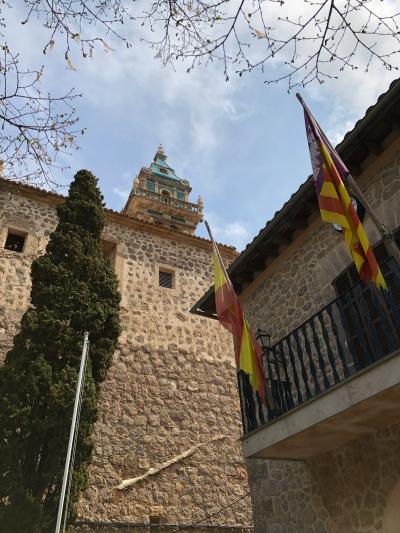
Valldemossa
More Fotos


Related Questions
Related Question
Is it easy to find a taxi service at Cala Tuent for the return trip?
Related Question
Are Mallorca's historical sites easy to visit with a stroller when traveling with young children?
Related Question
Is it easy and practical to rent a car right at Palma Airport for exploring Mallorca?