How did the geography of Mallorca influence the strategies used in these battles?
Similar Topics
Mallorca geography
historical battles Mallorca
Serra de Tramuntana
military strategies Mallorca
rugged terrain battles
naval forces challenges
fertile plains Mallorca
strategic positioning towns
cultural heritage Mallorca
landscape influence on battles
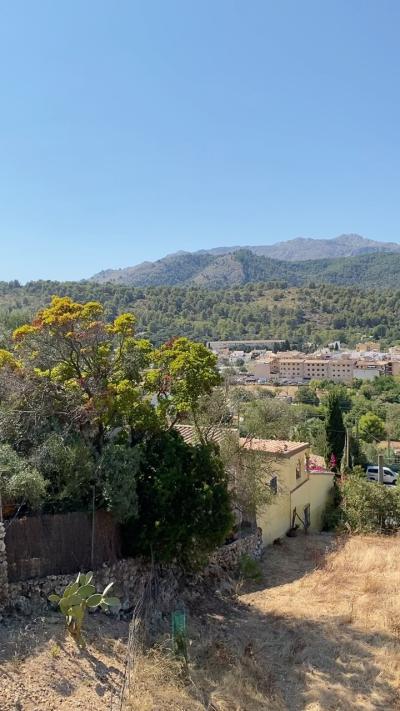
Mallorca's geography has played a significant role in shaping the strategies used during various historical battles on the island. Its rugged terrain, characterized by steep cliffs and mountainous regions, provided natural fortifications that defenders could exploit. For instance, the Serra de Tramuntana mountain range, which runs along the northwest coast, offered strategic high ground for those seeking to repel invaders. This elevation allowed for better visibility and control over key access points, making it easier to plan ambushes or defend against sieges. Additionally, the island's rocky coastline presented challenges for naval forces, impacting their ability to land troops and supplies effectively.
The island's diverse landscapes also contributed to the tactics employed by both attackers and defenders. The fertile plains in the central region of Mallorca were crucial for sustaining large armies, allowing for the maintenance of food supplies during prolonged conflicts. This agricultural abundance made it possible for defenders to withstand sieges, while invaders had to consider the logistics of supporting their forces far from their home bases. Furthermore, the strategic positioning of towns and villages, often placed in valleys or near water sources, created focal points for battles. Controlling these areas was essential for both sides, as they served as hubs for communication, supply routes, and troop movement.
In summary, Mallorca's varied geography, with its mountains, coastlines, and fertile plains, significantly influenced military strategies throughout its tumultuous history. The natural defenses afforded by the landscape were often leveraged by local forces, while the logistical challenges presented to invaders shaped their approaches to conquest. The island's unique topography not only affected the outcomes of battles but also contributed to the rich tapestry of its cultural and historical heritage, making it an intriguing destination for those interested in the interplay of geography and history.
The island's diverse landscapes also contributed to the tactics employed by both attackers and defenders. The fertile plains in the central region of Mallorca were crucial for sustaining large armies, allowing for the maintenance of food supplies during prolonged conflicts. This agricultural abundance made it possible for defenders to withstand sieges, while invaders had to consider the logistics of supporting their forces far from their home bases. Furthermore, the strategic positioning of towns and villages, often placed in valleys or near water sources, created focal points for battles. Controlling these areas was essential for both sides, as they served as hubs for communication, supply routes, and troop movement.
In summary, Mallorca's varied geography, with its mountains, coastlines, and fertile plains, significantly influenced military strategies throughout its tumultuous history. The natural defenses afforded by the landscape were often leveraged by local forces, while the logistical challenges presented to invaders shaped their approaches to conquest. The island's unique topography not only affected the outcomes of battles but also contributed to the rich tapestry of its cultural and historical heritage, making it an intriguing destination for those interested in the interplay of geography and history.
Sa Fonts Seca
More Fotos