Where can I learn about Mallorca’s history while visiting the island?
Similar Topics
mallorca history
palma old town
serra de tramuntana
soller railway
valldemossa monastery
talaiotic sites
pollenca history
festa de l’ametler
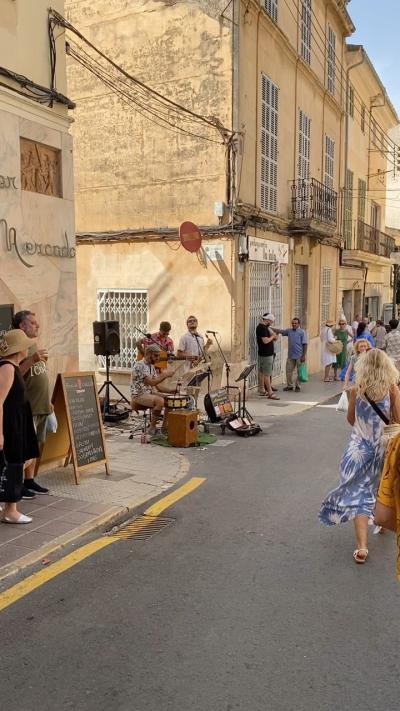
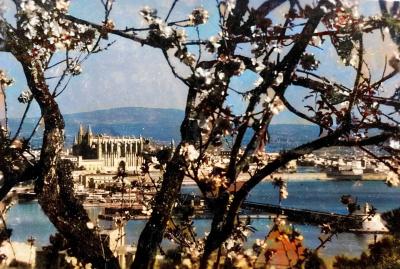
Palma, the island’s capital, is a natural starting point to uncover Mallorca’s rich history. The city's Old Town is home to impressive landmarks like La Seu Cathedral and the Royal Palace of Almudaina, which showcase centuries of cultural influences from Moors to medieval Christians. Museums such as Es Baluard and the Museu d’Història de Palma offer curated insights into Mallorca's art and historical evolution. Strolling through the narrow streets, you can almost trace the layers of time that have shaped the island’s identity.
Beyond Palma, the quaint towns of Valldemossa and Soller provide a more intimate glimpse into Mallorca’s past. Valldemossa’s Carthusian Monastery tells stories of religious devotion and artistic heritage, once inhabited by Chopin. The historic Soller Railway, connecting the town to Palma through the Tramuntana mountains, itself represents a feat of early 20th-century engineering. Inland, Manacor’s traditional crafts and archaeological sites hint at Mallorca's prehistoric and Roman roots.
Exploring outdoor heritage sites further enriches the experience. The ancient Talaiotic settlements scattered across Mallorca reveal Bronze Age and Iron Age civilizations unique to the Balearics. Coastal villages like Pollenca and Alcudia also host remnants of medieval fortifications and Roman villas, blending history with picturesque surroundings. Participating in local cultural events, such as the Nit de Foc festival in Palma or the Festa de l’Ametler in the Tramuntana, offers an authentic connection to the island’s living traditions and historical identity.
Beyond Palma, the quaint towns of Valldemossa and Soller provide a more intimate glimpse into Mallorca’s past. Valldemossa’s Carthusian Monastery tells stories of religious devotion and artistic heritage, once inhabited by Chopin. The historic Soller Railway, connecting the town to Palma through the Tramuntana mountains, itself represents a feat of early 20th-century engineering. Inland, Manacor’s traditional crafts and archaeological sites hint at Mallorca's prehistoric and Roman roots.
Exploring outdoor heritage sites further enriches the experience. The ancient Talaiotic settlements scattered across Mallorca reveal Bronze Age and Iron Age civilizations unique to the Balearics. Coastal villages like Pollenca and Alcudia also host remnants of medieval fortifications and Roman villas, blending history with picturesque surroundings. Participating in local cultural events, such as the Nit de Foc festival in Palma or the Festa de l’Ametler in the Tramuntana, offers an authentic connection to the island’s living traditions and historical identity.

More Fotos