What local rules should I keep in mind when hiking in the Serra de Tramuntana?
Similar Topics
serra de tramuntana
hiking rules
marked trails
litter policy
pet regulations
fire restrictions
fornalutx picnic
wildlife protection
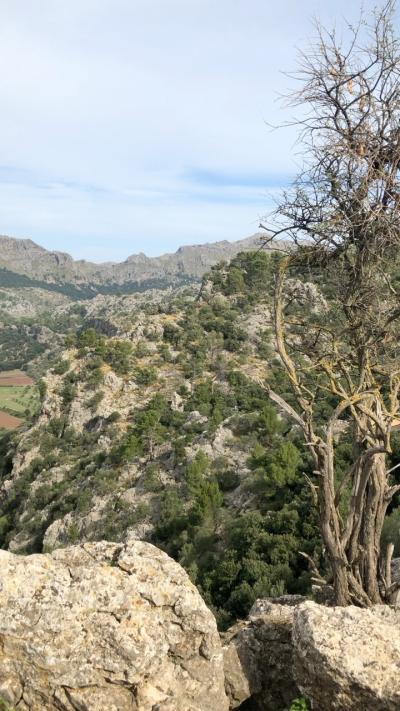
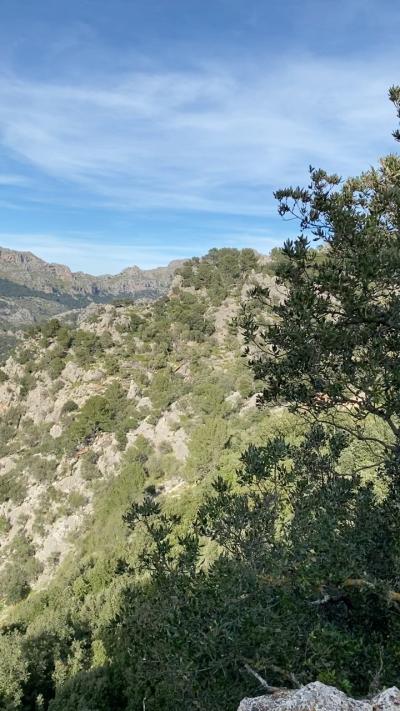
Planning a hike through the Serra de Tramuntana means preparing to respect some important local guidelines designed to protect this UNESCO World Heritage landscape. Stick to the marked footpaths—like those connecting Valldemossa, Deià, and Sóller—to avoid damaging the fragile native flora and to keep safe on sometimes steep or uneven terrain. Off-trail wandering can accelerate erosion and disturb habitats for endemic species, so the well-trodden routes are both scenic and responsible choices.
Littering is taken seriously here, especially around popular spots such as the Cala Tuent cove or the Puig Major trails. Carry all your rubbish out with you, as bins are scarce along these mountain paths. Picnics are best enjoyed in designated areas like the shaded spots near Fornalutx. If you’re hiking with dogs, they must be leashed everywhere to protect local wildlife and grazing animals.
Seasonal restrictions also apply—during the dry summer months, open fires and barbecues are banned to prevent forest fires. Some trails might close temporarily for agricultural work or habitat restoration, so it’s wise to check current conditions on the local council’s or park authority’s websites before setting out. Observing these rules helps ensure that future visitors can enjoy the Tramuntana’s stunning views and rich biodiversity as much as you will.
Littering is taken seriously here, especially around popular spots such as the Cala Tuent cove or the Puig Major trails. Carry all your rubbish out with you, as bins are scarce along these mountain paths. Picnics are best enjoyed in designated areas like the shaded spots near Fornalutx. If you’re hiking with dogs, they must be leashed everywhere to protect local wildlife and grazing animals.
Seasonal restrictions also apply—during the dry summer months, open fires and barbecues are banned to prevent forest fires. Some trails might close temporarily for agricultural work or habitat restoration, so it’s wise to check current conditions on the local council’s or park authority’s websites before setting out. Observing these rules helps ensure that future visitors can enjoy the Tramuntana’s stunning views and rich biodiversity as much as you will.

Sa Calobra
More Fotos