What is the historical significance of the Cathedral in Palma?
Similar Topics
Cathedral of Santa Maria
La Seu
Mallorca history
Gothic architecture
Balearic Islands
Antoni Gaudí
stained glass windows
cultural heritage
Palma travel
historical landmarks
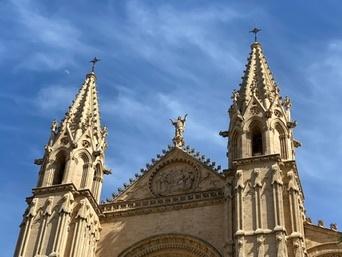
The Cathedral of Santa Maria of Palma, often simply referred to as La Seu, stands as a magnificent testament to Mallorca's rich history and cultural heritage. Construction of the cathedral began in 1230 under the reign of King James I of Aragon, marking a significant moment in the island's transition from Moorish rule to Christian dominion. This monumental structure, built over a period of several centuries, showcases a blend of Gothic and Catalan architectural styles, making it an iconic landmark in the Balearic Islands. Its towering presence overlooking the Bay of Palma not only serves as a place of worship but also symbolizes the resilience and aspirations of the people of Mallorca throughout the ages.
The cathedral's historical significance is further highlighted by its integral role in various events that have shaped the island's identity. For instance, it was consecrated in 1346, and over the years, it has witnessed numerous religious ceremonies, royal weddings, and significant community gatherings. The famous architect Antoni Gaudí even contributed to its restoration in the early 20th century, adding elements that harmonized with its original Gothic design while infusing a modern touch. Today, visitors can admire the stunning stained glass windows, particularly the large rose window, which is one of the largest in the world and fills the interior with a breathtaking display of light.
Moreover, La Seu serves as a cultural hub, housing various art exhibitions and concerts, which reflect the island's ongoing artistic evolution. The cathedral's presence has been a source of inspiration for countless artists and writers, making it a central figure in Mallorca's cultural narrative. As you explore its grand interior and intricate details, you'll not only be stepping into a beautiful architectural wonder but also immersing yourself in the rich tapestry of history, faith, and creativity that has defined Palma for centuries.
The cathedral's historical significance is further highlighted by its integral role in various events that have shaped the island's identity. For instance, it was consecrated in 1346, and over the years, it has witnessed numerous religious ceremonies, royal weddings, and significant community gatherings. The famous architect Antoni Gaudí even contributed to its restoration in the early 20th century, adding elements that harmonized with its original Gothic design while infusing a modern touch. Today, visitors can admire the stunning stained glass windows, particularly the large rose window, which is one of the largest in the world and fills the interior with a breathtaking display of light.
Moreover, La Seu serves as a cultural hub, housing various art exhibitions and concerts, which reflect the island's ongoing artistic evolution. The cathedral's presence has been a source of inspiration for countless artists and writers, making it a central figure in Mallorca's cultural narrative. As you explore its grand interior and intricate details, you'll not only be stepping into a beautiful architectural wonder but also immersing yourself in the rich tapestry of history, faith, and creativity that has defined Palma for centuries.
Palma
More Fotos