What distinctive experiences do smaller local markets on the island offer compared to supermarkets?
Similar Topics
local markets
sobrassada
fresh produce
almond honey
binissalem wine
artisan food
ensaimada
community connection
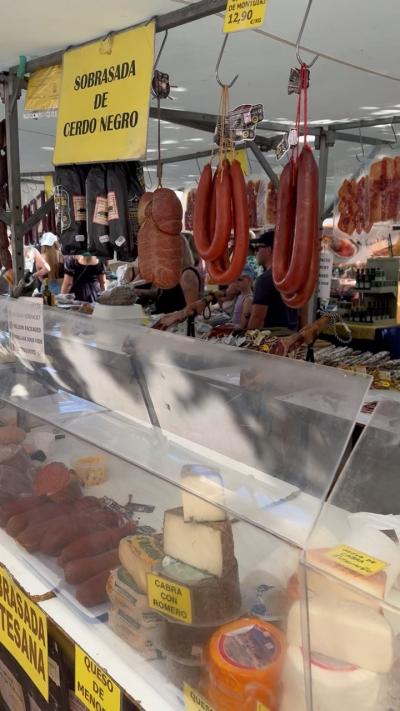
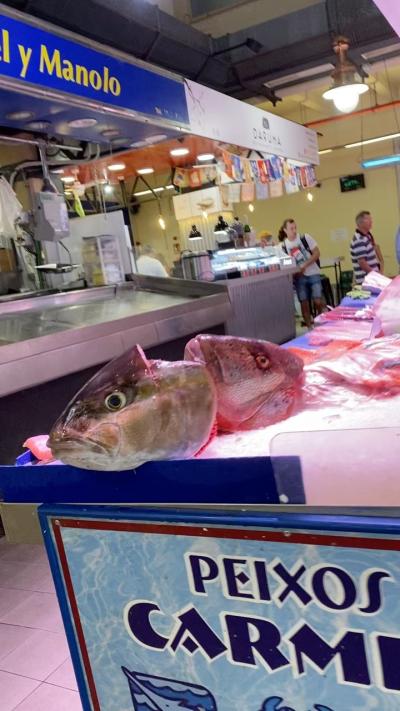
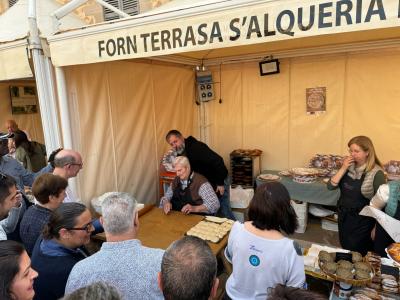
In recent years, a renewed focus on traditional crafts and local produce has brought Palma's Mercat de l’Olivar and markets in Alcudia and Pollenca back into the spotlight. These bustling markets provide a sharp contrast to the more impersonal supermarkets scattered throughout the island. Here, you can explore stalls brimming with freshly caught seafood from nearby coves and artisanal products like hand-cured sobrassada and seasonal fruits from fields near Manacor. The atmosphere buzzes with the chatter of locals exchanging news and tips on the best produce, creating a lively community vibe wholly absent from chain stores.
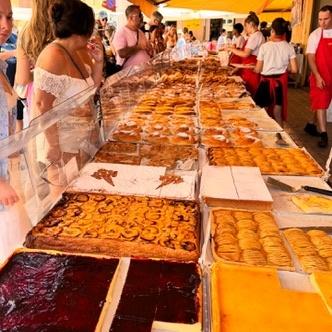
Vendors are often proud artisans or farmers who are eager to describe the origins of their goods, whether it’s extra virgin olive oil from the hinterland villages or freshly baked ensaimadas from a family bakery in Valldemossa. Sampling homemade cheeses or aging Binissalem wines straight from producer cellars turns shopping into a genuine cultural encounter. Unlike supermarkets, where items are selected for convenience, these markets offer the chance to discover ingredients that shape traditional island dishes like tumbet or pa amb oli.
Supporting these markets also encourages sustainable, local production. The fresh, seasonal produce is harvested close to home, reducing food miles and ensuring peak freshness in each bite. The experience extends beyond shopping: by engaging with sellers, visitors gain insight into the island’s agricultural heritage and contemporary artisan skills. For those willing to venture beyond the main towns, markets in small Tramuntana villages like Soller and Deia offer even more intimate glimpses of Mallorca’s rich culinary tapestry and slower pace of life.
Vendors are often proud artisans or farmers who are eager to describe the origins of their goods, whether it’s extra virgin olive oil from the hinterland villages or freshly baked ensaimadas from a family bakery in Valldemossa. Sampling homemade cheeses or aging Binissalem wines straight from producer cellars turns shopping into a genuine cultural encounter. Unlike supermarkets, where items are selected for convenience, these markets offer the chance to discover ingredients that shape traditional island dishes like tumbet or pa amb oli.
Supporting these markets also encourages sustainable, local production. The fresh, seasonal produce is harvested close to home, reducing food miles and ensuring peak freshness in each bite. The experience extends beyond shopping: by engaging with sellers, visitors gain insight into the island’s agricultural heritage and contemporary artisan skills. For those willing to venture beyond the main towns, markets in small Tramuntana villages like Soller and Deia offer even more intimate glimpses of Mallorca’s rich culinary tapestry and slower pace of life.
Santanyí
More Fotos