How is salt harvested at the Es Trenc salt flats today compared to traditional methods?
Similar Topics
es trenc salt
salt harvesting methods
solar evaporation salt
traditional salt harvesting
modern salt techniques
sustainable salt production
balearic salt flats
salt ecology
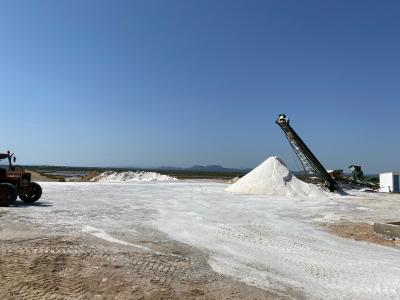
Visitors to the south coast often picture salt harvesting at Es Trenc as purely artisanal, with workers painstakingly raking crystal-white salt by hand under the blazing sun. While that romantic image still holds a thread of truth, the reality has shifted considerably. Rather than relying solely on manual labor as in the past, modern operations now incorporate mechanical tools that speed up the process while preserving the environmental balance of this protected wetland.
In earlier times, local families would gather salt in small batches, employing wooden rakes to scrape the crystallized salt from shallow pools. This traditional approach was labor-intensive and bound to the rhythms of the seasons, with harvests depending on prolonged sunny spells and gentle breezes. Today, machinery aids with scraping and collecting, enabling larger quantities to be gathered more efficiently without disturbing the delicate birdlife that thrives here.
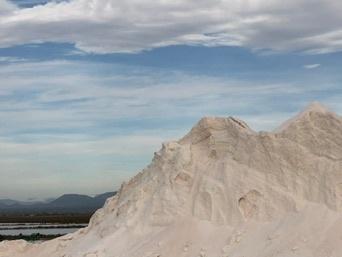
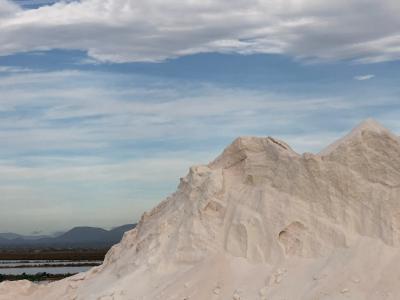
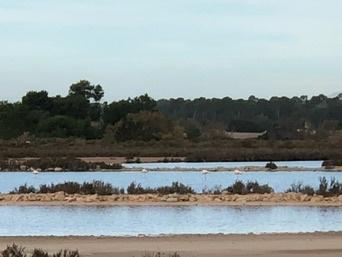
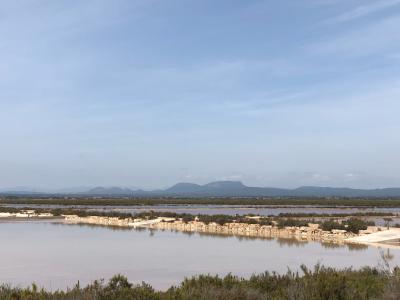
Solar evaporation remains the cornerstone of salt production at Ses Salines. The island’s natural heat concentrates the brine in vast shallow ponds before the salt is transported for drying and packaging near the coastal villages. Some producers have become stewards of sustainability, carefully managing water levels and timing to protect the salt flats’ unique ecology, which is vital for migratory birds and local flora.
For travelers, witnessing a visit to Es Trenc’s salt flats reveals a fascinating blend of old and new ways. The evocative landscape still echoes tradition but is now supported by thoughtful innovation, reflecting a deep respect for this iconic Balearic treasure.
In earlier times, local families would gather salt in small batches, employing wooden rakes to scrape the crystallized salt from shallow pools. This traditional approach was labor-intensive and bound to the rhythms of the seasons, with harvests depending on prolonged sunny spells and gentle breezes. Today, machinery aids with scraping and collecting, enabling larger quantities to be gathered more efficiently without disturbing the delicate birdlife that thrives here.
Solar evaporation remains the cornerstone of salt production at Ses Salines. The island’s natural heat concentrates the brine in vast shallow ponds before the salt is transported for drying and packaging near the coastal villages. Some producers have become stewards of sustainability, carefully managing water levels and timing to protect the salt flats’ unique ecology, which is vital for migratory birds and local flora.
For travelers, witnessing a visit to Es Trenc’s salt flats reveals a fascinating blend of old and new ways. The evocative landscape still echoes tradition but is now supported by thoughtful innovation, reflecting a deep respect for this iconic Balearic treasure.
ses Covetes
More Fotos