What was life like in Mallorca’s fishing villages before tourism changed them?
Similar Topics
fishing villages
port de sóller
coastal heritage
pa amb oli
sobrassada
formentor
hierbas
cala llombards
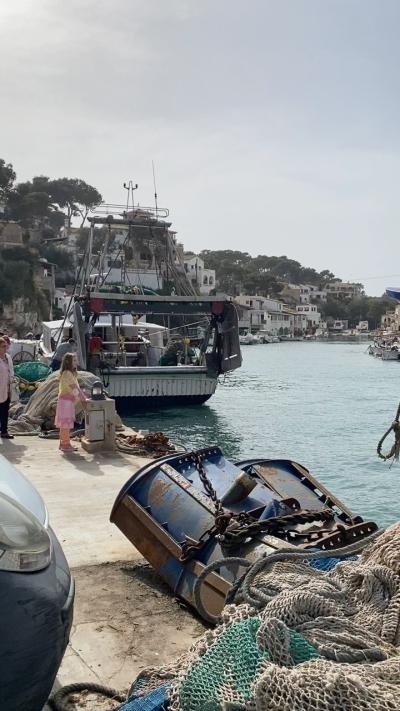
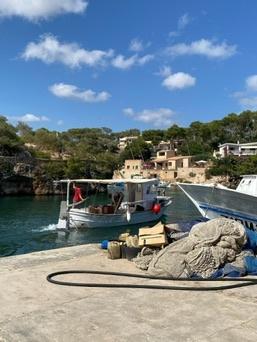
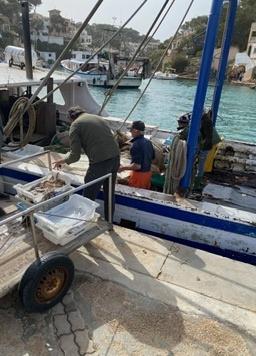
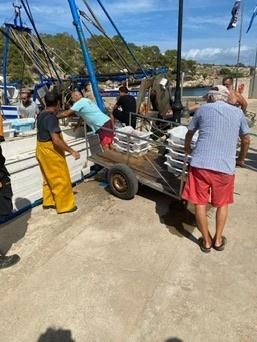
Before coastal tourism began to shape Mallorca’s shorelines, fishing villages like Port de Sóller and Cala Figuera thrived on a quiet, seafaring rhythm. Their stone houses, weathered by Mediterranean winds and salt spray, clustered around small harbors where fishermen launched traditional lateen-sailed boats at dawn. Daily life moved with the tides: nets were cast, catches brought ashore, and families gathered around fresh fish to prepare dishes like bullit de peix or simple pa amb oli.
These villages were tightly knit communities where everyone knew each other, and stories were shared over glasses of Palo or a digestif of Hierbas. Local markets were humble but lively, offering freshly caught seafood alongside sobrassada, local honey, and handwoven baskets. The scent of pine wood fires mixed with salt and seaweed, creating an atmosphere both rugged and warm, rooted in centuries-old maritime traditions.
As tourism spread along the island’s beautiful coves like Cala Llombards and Formentor, many fishing households adapted by renting rooms or opening small restaurants. While the charm of original village life has shifted amid holidaymakers and modern amenities, places such as Port de Pollença and Alcúdia’s old town still echo the island’s fishing heritage. Exploring these coastal settlements today reveals a blend of old Mallorcan authenticity and contemporary seaside hospitality, preserving a glimpse of a quieter past beneath the buzz of summer visitors.
These villages were tightly knit communities where everyone knew each other, and stories were shared over glasses of Palo or a digestif of Hierbas. Local markets were humble but lively, offering freshly caught seafood alongside sobrassada, local honey, and handwoven baskets. The scent of pine wood fires mixed with salt and seaweed, creating an atmosphere both rugged and warm, rooted in centuries-old maritime traditions.
As tourism spread along the island’s beautiful coves like Cala Llombards and Formentor, many fishing households adapted by renting rooms or opening small restaurants. While the charm of original village life has shifted amid holidaymakers and modern amenities, places such as Port de Pollença and Alcúdia’s old town still echo the island’s fishing heritage. Exploring these coastal settlements today reveals a blend of old Mallorcan authenticity and contemporary seaside hospitality, preserving a glimpse of a quieter past beneath the buzz of summer visitors.
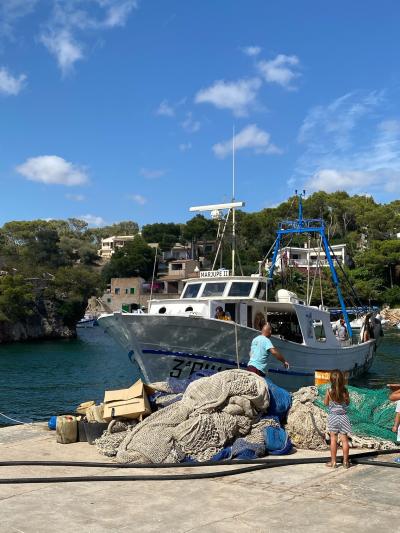
Cala Figuera
More Fotos