How do Mallorcans view the impact of international trends on their traditional cuisine?
Similar Topics
mallorca food
traditional mallorcan dishes
pa amb oli
sobrassada
tumbet
ensaimada
mallorca food trends
local cuisine
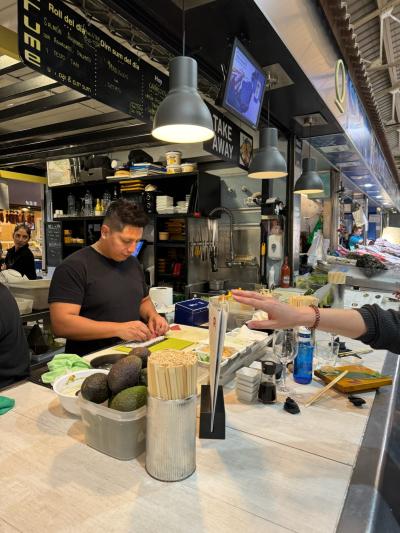
As the island’s food scene evolves, local attitudes towards international influences remain a mix of openness and protectiveness. Many chefs and home cooks in towns like Palma, Soller, and Pollenca welcome new ingredients and techniques that complement age-old recipes, seeing them as a way to keep dishes like tumbet or pa amb oli fresh and appealing. Around the island’s bustling markets and modern restaurants, you’ll find traditional flavors mingling subtly with global trends—perhaps a hint of Asian spice or a Mediterranean twist—offering an exciting yet respectful innovation.
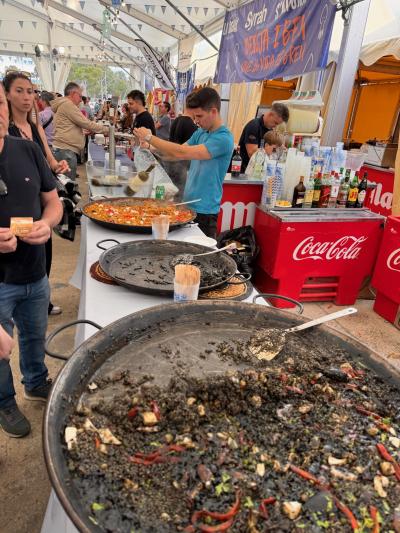
Despite this creative flair, a strong sense of pride endures for heritage recipes, especially among older generations and in rural villages like Valldemossa and Deia. Sobrassada and ensaimada, for instance, are treated as cultural treasures, their authentic preparation fiercely guarded. Local festivals such as Sant Sebastia or the Festa de l’Ametler often reinforce these culinary traditions, celebrating the island’s distinct flavors and cooking styles. While some worry that the growing presence of international cuisine could overshadow Mallorca’s gastronomic identity, most share a desire to strike a balance—embracing global influence without losing the rich, rooted tastes that define their culinary heritage.
Despite this creative flair, a strong sense of pride endures for heritage recipes, especially among older generations and in rural villages like Valldemossa and Deia. Sobrassada and ensaimada, for instance, are treated as cultural treasures, their authentic preparation fiercely guarded. Local festivals such as Sant Sebastia or the Festa de l’Ametler often reinforce these culinary traditions, celebrating the island’s distinct flavors and cooking styles. While some worry that the growing presence of international cuisine could overshadow Mallorca’s gastronomic identity, most share a desire to strike a balance—embracing global influence without losing the rich, rooted tastes that define their culinary heritage.
Alcanada
More Fotos



Related Questions
Related Question
When is the best time to stroll along Palma's waterfront promenade?
Related Question
Are there safety precautions I should take when using my debit card around Palma and other towns?
Related Question
When is the best time of day to visit Mallorca's beaches if I want to avoid crowds?