Which towns and villages in Mallorca are known for their distinctive architecture?
Similar Topics
valldemossa architecture
deia village
pollensa old town
alcudia medieval
palma la seu
serra de tramuntana
mallorca fincas
santa catalina
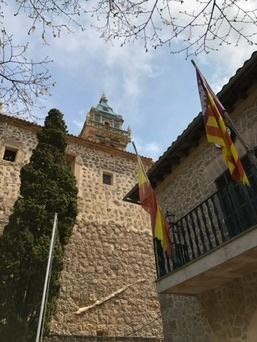
Walking through the narrow streets of Valldemossa or Deia, you can’t help but admire the distinct blend of rustic stone houses and charming Mediterranean details that define these mountain villages. Valldemossa’s cobblestone alleys reveal traditional manor houses with wooden shutters and vine-covered facades, while Deia offers elegant old estate homes nestled amid pine groves against the Tramuntana hills. Further towards the north coast, Pollensa and Alcudia boast beautifully preserved medieval centers, with quiet squares flanked by whitewashed buildings and ancient churches that speak of the island’s layered history.
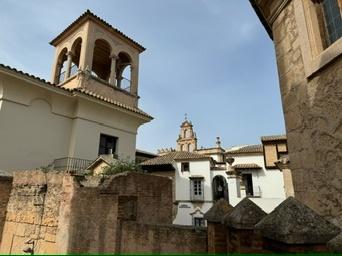
In Palma, the capital, the architectural landscape is more varied yet deeply rooted in its cultural heritage. The Gothic majesty of La Seu cathedral dominates the skyline, while nearby neighborhoods like Santa Catalina showcase former fisherfolk quarters transformed with pastel shutters and wrought-iron balconies. Along the Ma-10 route through the Serra de Tramuntana, many rural fincas (farmhouses) stand proudly, echoing traditional Mallorca stonework blended with modern touches. This architectural diversity reflects centuries of influences—from Moorish to Catalan—and offers a richly textured backdrop for any visit here.
In Palma, the capital, the architectural landscape is more varied yet deeply rooted in its cultural heritage. The Gothic majesty of La Seu cathedral dominates the skyline, while nearby neighborhoods like Santa Catalina showcase former fisherfolk quarters transformed with pastel shutters and wrought-iron balconies. Along the Ma-10 route through the Serra de Tramuntana, many rural fincas (farmhouses) stand proudly, echoing traditional Mallorca stonework blended with modern touches. This architectural diversity reflects centuries of influences—from Moorish to Catalan—and offers a richly textured backdrop for any visit here.
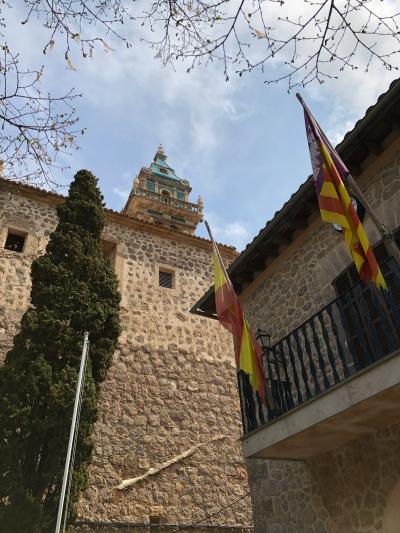
Valldemossa
More Fotos