How did the architecture of religious buildings change in Mallorca after the reconquest?
Similar Topics
Mallorca architecture
religious buildings Mallorca
Gothic architecture
Cathedral of Santa Maria
La Seu
Monastery of Lluc
Church of Sant Bartomeu
local materials architecture
cultural heritage Mallorca
historical sites Mallorca
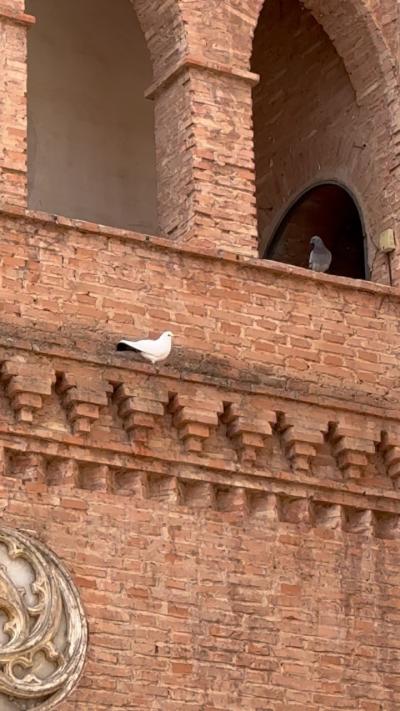
After the reconquest of Mallorca in 1229, the architecture of religious buildings on the island underwent significant transformations, reflecting both the influence of Gothic styles and the integration of local elements. The most notable example of this change is the stunning Cathedral of Santa Maria of Palma, commonly known as La Seu. Construction began in the 13th century and continued for several centuries, showcasing a blend of Gothic architecture with Catalan influences. The cathedral features a magnificent rose window and soaring vaulted ceilings, which were designed to inspire awe and reverence, characteristic of the period's spiritual aspirations.
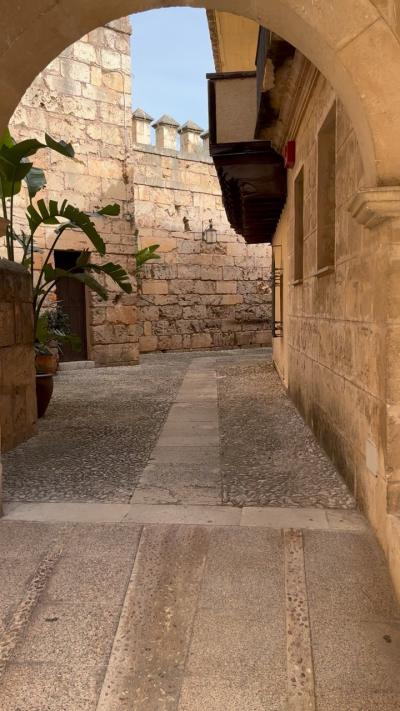
In addition to La Seu, many churches and monasteries were built or renovated during this time, adopting similar Gothic features while also incorporating local materials and architectural styles. The use of local limestone not only provided a distinct aesthetic but also tied the new structures to the island's landscape. Buildings like the Monastery of Lluc and the Church of Sant Bartomeu in Sóller exemplify this blend, featuring intricately carved facades and ornate altars that reflect both the religious fervor of the era and the artistic skills of local craftsmen.
Moreover, the reconquest led to a shift in the cultural and religious landscape, with the Catholic Church playing a central role in daily life. This resulted in a surge of church construction throughout Mallorca, which not only served the spiritual needs of the population but also acted as community centers. As a result, many of these religious buildings became focal points in towns and villages, embodying the island's identity and heritage, while also showcasing the evolving architectural styles that emerged during this transformative period. The combination of Gothic grandeur with local traditions has left a lasting impression on Mallorca's architectural landscape, making it a fascinating destination for those interested in history and design.
In addition to La Seu, many churches and monasteries were built or renovated during this time, adopting similar Gothic features while also incorporating local materials and architectural styles. The use of local limestone not only provided a distinct aesthetic but also tied the new structures to the island's landscape. Buildings like the Monastery of Lluc and the Church of Sant Bartomeu in Sóller exemplify this blend, featuring intricately carved facades and ornate altars that reflect both the religious fervor of the era and the artistic skills of local craftsmen.
Moreover, the reconquest led to a shift in the cultural and religious landscape, with the Catholic Church playing a central role in daily life. This resulted in a surge of church construction throughout Mallorca, which not only served the spiritual needs of the population but also acted as community centers. As a result, many of these religious buildings became focal points in towns and villages, embodying the island's identity and heritage, while also showcasing the evolving architectural styles that emerged during this transformative period. The combination of Gothic grandeur with local traditions has left a lasting impression on Mallorca's architectural landscape, making it a fascinating destination for those interested in history and design.

More Fotos