What are the key local ingredients frequently found in traditional Mallorcan dishes?
Similar Topics
sobrassada
pa amb oli
tumbet
ensaimada
binissalem wine
hierbas
mallorca herbs
olive oil
Planning your meals around the fresh, local produce of the island means encountering a vivid palette of flavors deeply tied to Mallorcan tradition. Olive oil, often cold-pressed from local groves, is a base for many specialties, prized for its fruity, robust character. Sobrassada, a soft cured sausage spiced with paprika, offers a distinct taste reflecting centuries of artisanal curing, regularly spread on warm bread or used in stews. Another staple is pa amb oli—a simple but iconic dish featuring rustic bread rubbed with fresh tomato, drizzled with olive oil, and complemented by local cheeses or ham.
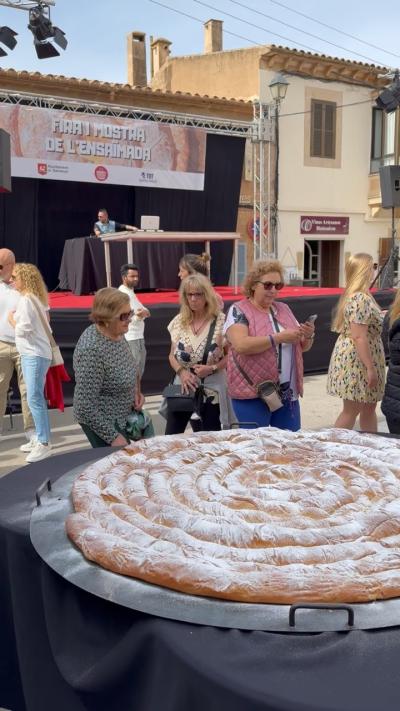
The island’s fertile valleys yield fresh vegetables like tomatoes, eggplants, and red peppers, which appear in classics such as tumbet, a layered vegetable casserole often served as a side or main dish. Herbs like rosemary and thyme grow wild and are used to season meat, fish, and vegetable dishes, providing an unmistakable Mediterranean aromatic note. For dessert, ensaimada pastries, sweet and flaky with hints of saffron and lard, carry a rich cultural history and pair wonderfully with local coffee or a sip of Hierbas.
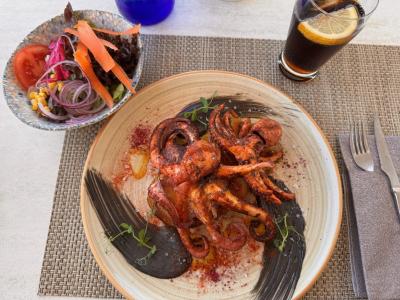
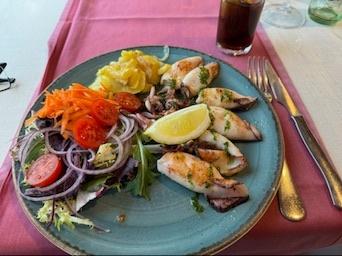
Drinks also play a fundamental role: robust red wines from Binissalem, Palo bitters, and herbal liqueurs showcase the island’s agricultural diversity and culinary heritage. Whether enjoying fresh fish grilled with lemon and herbs on the terraces of Port de Pollenca or tasting sobrassada in a countryside village café, these ingredients reflect a cuisine rooted in the land and sea surrounding the Tramuntana mountains and the sunny coasts.
More Fotos