What traditional materials are used in the architecture of Valldemossa, and how have they endured the island's climate?
Similar Topics
valldemossa architecture
mallorca stone houses
tramuntana buildings
local building materials
terracotta tiles mallorca
mallorca climate effects
mallorca conservation
traditional wooden shutters
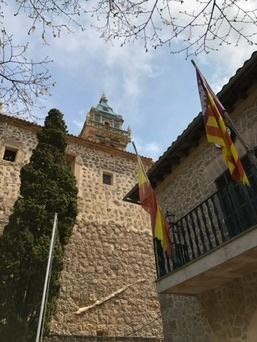
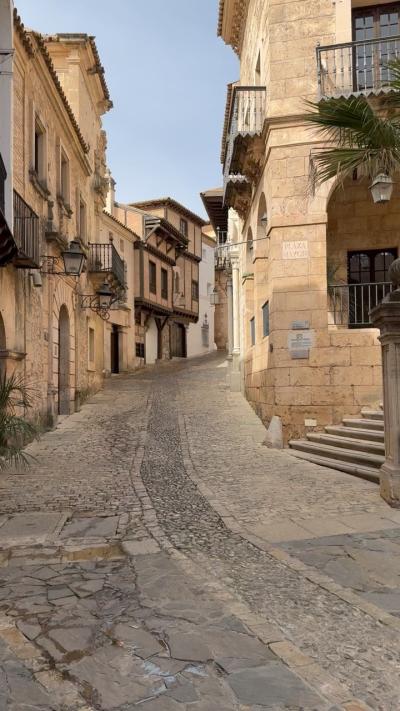
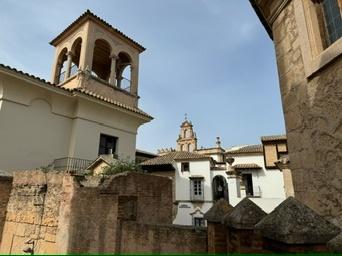
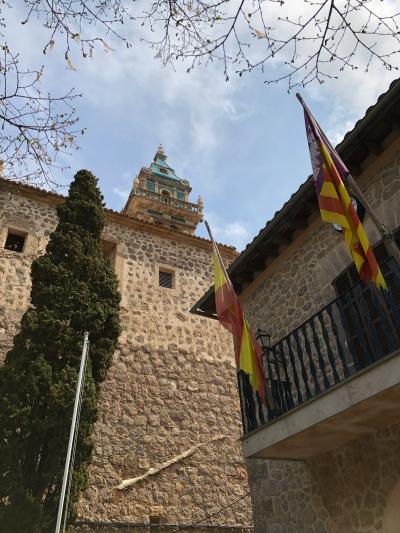
Nestled in the Serra de Tramuntana, Valldemossa showcases classic Mallorcan architecture distinguished by its use of local stone, terracotta tiles, and wooden shutters. The limestone quarried from nearby mountains forms the walls of many centuries-old buildings, prized for both their durability and natural insulation against summer heat and winter chill. Terracotta roof tiles add warmth and character while efficiently shedding the occasional heavy rain that comes through the Ma-10 mountain pass.
Wooden elements like shutters and beams, often crafted from Aleppo pine or Mediterranean oak, bring texture and color but require regular upkeep to withstand humidity and sun exposure. Over time, these traditional materials develop a patina that blends harmoniously with the surrounding landscape. The island’s climate, with its dry summers and occasional autumn storms, gently weathers the stone facades, softening sharp edges and allowing moss or lichen to take hold in crevices, contributing to a lived-in charm.
Recent conservation efforts in Valldemossa and other Tramuntana villages emphasize maintaining these authentic materials using period-appropriate techniques, ensuring that the essence of Mallorcan stone houses persists. While some wooden features may need replacing after decades, the core stone structures remain remarkably resilient, offering a tangible connection to the island’s architectural heritage and rural traditions.
Wooden elements like shutters and beams, often crafted from Aleppo pine or Mediterranean oak, bring texture and color but require regular upkeep to withstand humidity and sun exposure. Over time, these traditional materials develop a patina that blends harmoniously with the surrounding landscape. The island’s climate, with its dry summers and occasional autumn storms, gently weathers the stone facades, softening sharp edges and allowing moss or lichen to take hold in crevices, contributing to a lived-in charm.
Recent conservation efforts in Valldemossa and other Tramuntana villages emphasize maintaining these authentic materials using period-appropriate techniques, ensuring that the essence of Mallorcan stone houses persists. While some wooden features may need replacing after decades, the core stone structures remain remarkably resilient, offering a tangible connection to the island’s architectural heritage and rural traditions.
Valldemossa
More Fotos