How has Mallorcan cuisine been influenced by other cultures?
Similar Topics
Mallorcan cuisine
Mediterranean food
traditional recipes
culinary fusions
Moorish influence
Catalan dishes
tumbet recipe
seafood dishes
olive oil
Mallorca gastronomy
Mallorcan cuisine is a vibrant tapestry woven from various cultural influences that have graced the island over the centuries. The strategic location of Mallorca in the Mediterranean made it a crossroads for different civilizations, including the Romans, Moors, and later, the Catalans. Each of these cultures left their mark, contributing unique ingredients, cooking techniques, and flavors that have enriched the local gastronomy. For instance, the Romans introduced the use of olive oil and wine, staples that remain central to Mallorcan dishes today.
The Moorish influence is particularly noteworthy, as it brought spices, fruits, and the concept of combining sweet and savory flavors. Dishes like *tumbet*, which features layers of fried vegetables and tomato sauce, showcase this rich heritage. Additionally, the use of almonds, a key ingredient in many Mallorcan desserts, reflects the Moorish love for nuts and sweet confections. The incorporation of fresh seafood reflects the island’s maritime culture, while the Catalan presence has contributed to beloved staples such as *pa amb oli*, a simple yet delicious dish of bread topped with olive oil, tomatoes, and cured meats.
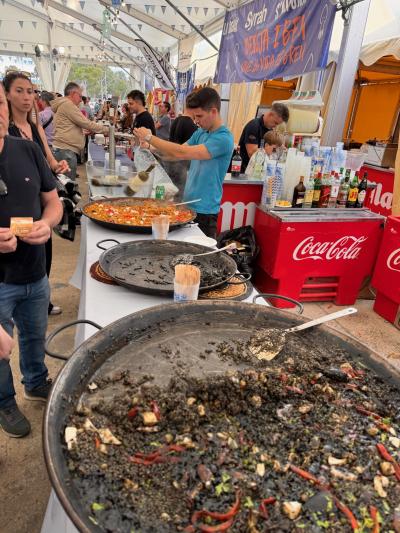
In more recent decades, the influx of international visitors has further diversified Mallorcan cuisine, leading to the emergence of innovative culinary fusions that blend traditional recipes with modern techniques and global influences. Chefs on the island are increasingly experimenting with local ingredients to create dishes that pay homage to their roots while also appealing to contemporary palates. This dynamic evolution ensures that while the essence of Mallorcan cuisine remains deeply rooted in its history, it continues to grow and adapt, offering visitors a delicious taste of the island's rich cultural heritage.
The Moorish influence is particularly noteworthy, as it brought spices, fruits, and the concept of combining sweet and savory flavors. Dishes like *tumbet*, which features layers of fried vegetables and tomato sauce, showcase this rich heritage. Additionally, the use of almonds, a key ingredient in many Mallorcan desserts, reflects the Moorish love for nuts and sweet confections. The incorporation of fresh seafood reflects the island’s maritime culture, while the Catalan presence has contributed to beloved staples such as *pa amb oli*, a simple yet delicious dish of bread topped with olive oil, tomatoes, and cured meats.
In more recent decades, the influx of international visitors has further diversified Mallorcan cuisine, leading to the emergence of innovative culinary fusions that blend traditional recipes with modern techniques and global influences. Chefs on the island are increasingly experimenting with local ingredients to create dishes that pay homage to their roots while also appealing to contemporary palates. This dynamic evolution ensures that while the essence of Mallorcan cuisine remains deeply rooted in its history, it continues to grow and adapt, offering visitors a delicious taste of the island's rich cultural heritage.
s'Horta
More Fotos