How has the Basilica of Sant Miquel de Palma influenced local traditions or festivals?
Similar Topics
Basilica of Sant Miquel de Palma
Palma traditions
Gothic architecture
Saint Michael festival
Holy Week ceremonies
Balearic culture
local artisans
cultural events Palma
religious services Palma
community festivals Mallorca
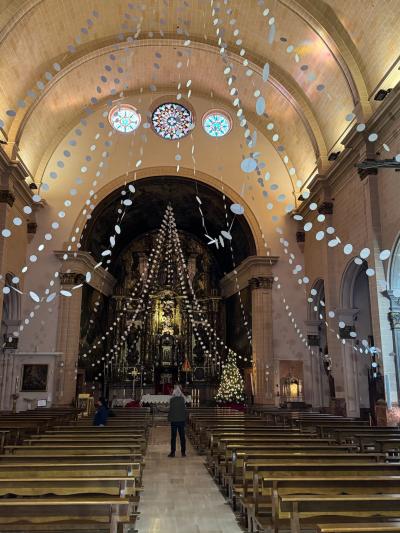
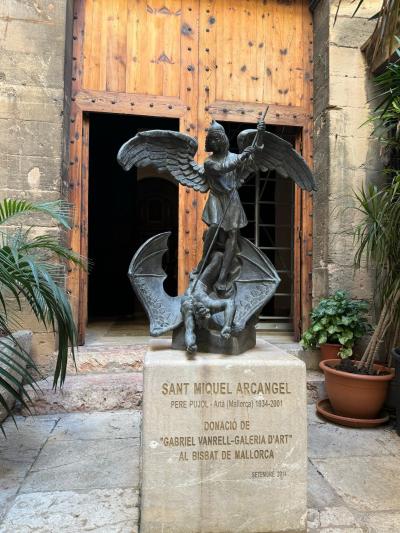
The Basilica of Sant Miquel de Palma, a stunning example of Gothic architecture, plays a significant role in the cultural fabric of Palma and its surrounding areas. Its historical significance and architectural beauty make it a central figure in local traditions and festivals, particularly during the celebration of Saint Michael, the patron saint of the basilica. Each year, the community comes together in September to honor this revered figure with vibrant processions, lively music, and traditional dances, creating a festive atmosphere that resonates throughout the city. These celebrations not only pay homage to the saint but also foster a sense of unity among residents as they share in the rich cultural heritage of their city.
In addition to the annual feast day, the basilica serves as a venue for various cultural events and religious services throughout the year. Its majestic interior and serene ambiance provide the perfect backdrop for concerts, art exhibitions, and spiritual gatherings, further embedding the basilica into the local traditions. During Holy Week, for instance, the basilica becomes a focal point for ceremonies and processions that attract both locals and tourists, showcasing the deep religious devotion that characterizes much of Balearic culture. This connection between the basilica and the community is palpable, as it not only hosts significant religious events but also encourages local artisans and performers to showcase their talents, enriching the overall cultural experience.
As visitors explore the historic streets of Palma, the presence of the Basilica of Sant Miquel serves as a reminder of the city's enduring traditions and the ways in which they are celebrated. The blending of religious observance with local customs creates a unique atmosphere that invites travelers to engage with the community. Whether attending a festival, enjoying a concert, or simply marveling at its architectural beauty, the basilica remains a cornerstone of Palma’s identity, influencing the rhythms of life and the spirit of its people.
In addition to the annual feast day, the basilica serves as a venue for various cultural events and religious services throughout the year. Its majestic interior and serene ambiance provide the perfect backdrop for concerts, art exhibitions, and spiritual gatherings, further embedding the basilica into the local traditions. During Holy Week, for instance, the basilica becomes a focal point for ceremonies and processions that attract both locals and tourists, showcasing the deep religious devotion that characterizes much of Balearic culture. This connection between the basilica and the community is palpable, as it not only hosts significant religious events but also encourages local artisans and performers to showcase their talents, enriching the overall cultural experience.
As visitors explore the historic streets of Palma, the presence of the Basilica of Sant Miquel serves as a reminder of the city's enduring traditions and the ways in which they are celebrated. The blending of religious observance with local customs creates a unique atmosphere that invites travelers to engage with the community. Whether attending a festival, enjoying a concert, or simply marveling at its architectural beauty, the basilica remains a cornerstone of Palma’s identity, influencing the rhythms of life and the spirit of its people.

ses Illetes
More Fotos