Where can I learn about the island's local history and culture in Mallorca?
Similar Topics
palma museums
alcudia archaeology
pollentia ruins
tramuntana heritage
mallorca festivals
local crafts mallorca
mallorca cultural centers
mallorca history
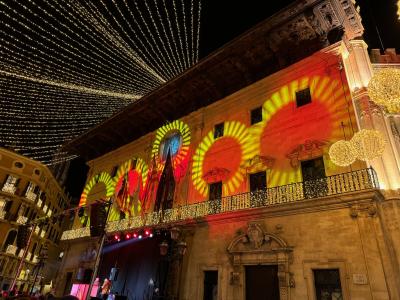
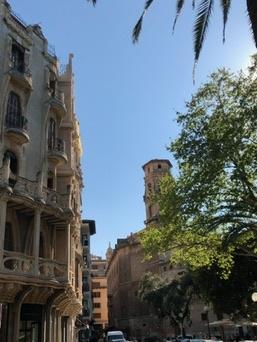
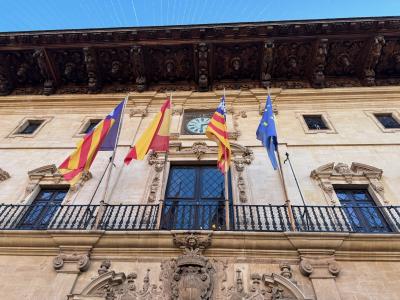
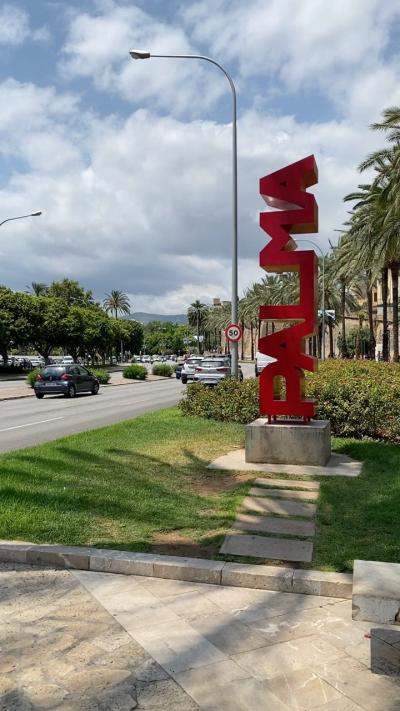
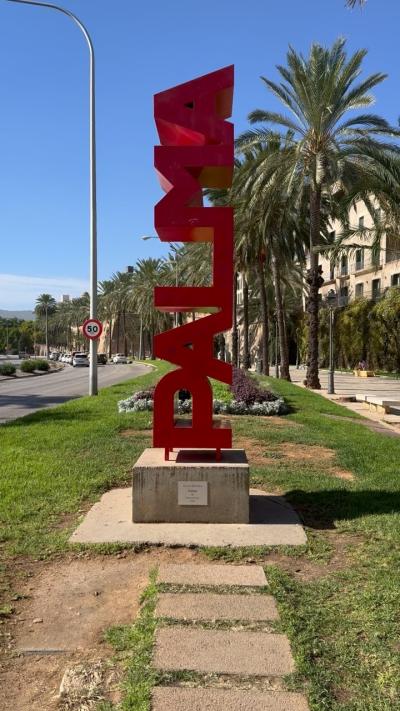
In the heart of Palma, the Museu d'Història de la Ciutat offers an engaging glimpse into the city’s rich past, with exhibits tracing urban life from Roman times to the present day. It’s a great starting point to understand how Mallorca’s capital grew from a strategic Mediterranean port into the vibrant cultural hub visitors enjoy today. Elsewhere in Palma, the Museu Fundación Juan March houses important collections related to Balearic art and culture, providing further insight into the island’s creative heritage.
For a deeper dive into rural traditions and island life, the town of Alcúdia boasts an impressive archaeological museum showcasing artifacts from the nearby Roman city of Pollentia, offering context on ancient settlements that shaped Mallorca. The Museu Sa Bassa Blanca near Costa d’en Blanes, meanwhile, blends heritage with contemporary art in a beautifully restored old estate.
More intimate cultural experiences are found in small villages like Valldemossa or Deià, where local galleries and heritage centers reflect the Tramuntana’s artistic and literary legacy. Throughout the island, open-air markets and festivals such as Sant Sebastià in Palma or the Festa de l’Ametler celebrate traditional Mallorcan crafts, music, and gastronomy, providing lively opportunities to connect with local customs beyond museum walls.
For a deeper dive into rural traditions and island life, the town of Alcúdia boasts an impressive archaeological museum showcasing artifacts from the nearby Roman city of Pollentia, offering context on ancient settlements that shaped Mallorca. The Museu Sa Bassa Blanca near Costa d’en Blanes, meanwhile, blends heritage with contemporary art in a beautifully restored old estate.
More intimate cultural experiences are found in small villages like Valldemossa or Deià, where local galleries and heritage centers reflect the Tramuntana’s artistic and literary legacy. Throughout the island, open-air markets and festivals such as Sant Sebastià in Palma or the Festa de l’Ametler celebrate traditional Mallorcan crafts, music, and gastronomy, providing lively opportunities to connect with local customs beyond museum walls.
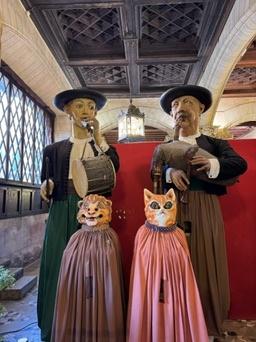
Palma
More Fotos