How do seasonal ingredients shape the menus of restaurants in Mallorca?
Similar Topics
seasonal ingredients
mallorca cuisine
local produce
tramuntana herbs
sobrassada
binissalem wine
pa amb oli
ensaimada
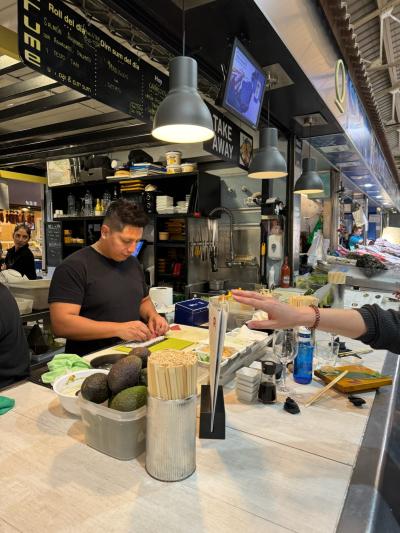
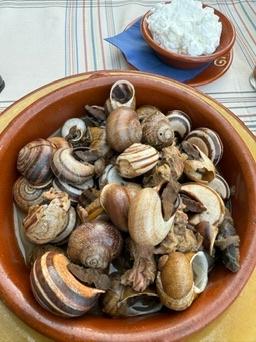
Locals often rely on the rhythm of the island’s seasons to guide their cooking rather than sticking to one fixed menu all year. Markets in Palma, Soller, and Manacor showcase the freshest produce that reflects the time of year, inspiring chefs to adapt their offerings accordingly. In spring, menus may highlight tender artichokes, fresh fava beans, and wild herbs from the Tramuntana mountains, bringing bright, green flavors to traditional dishes like tumbet or pa amb oli. Summer then offers an abundance of ripe tomatoes, zucchini, and figs, frequently served alongside freshly caught fish or grilled sobrassada for balance.
As autumn arrives, hearty root vegetables, chestnuts, and mushrooms become central to the plates, warming local specialties as days grow cooler. Winter’s chill calls for dishes featuring preserved ingredients—cured meats, olives, and pickled vegetables—which keep the island’s flavors alive even when fresh produce is scarcer. This seasonal flow ensures the local culinary identity remains closely tied to the landscape and its cycles.
Creative chefs relish this seasonal variety to reinvent Mallorcan classics in unexpected ways. Diners can enjoy freshly baked ensaimadas for breakfast in Valldemossa, sip Binissalem wine with a midday meal, or finish with a herbal liqueur like Hierbas or Palo that reflects the island’s unique flora. The menus thus tell a story not only through taste but through connection to place and time, offering an authentic experience rooted in Mallorca’s natural bounty and traditions.
As autumn arrives, hearty root vegetables, chestnuts, and mushrooms become central to the plates, warming local specialties as days grow cooler. Winter’s chill calls for dishes featuring preserved ingredients—cured meats, olives, and pickled vegetables—which keep the island’s flavors alive even when fresh produce is scarcer. This seasonal flow ensures the local culinary identity remains closely tied to the landscape and its cycles.
Creative chefs relish this seasonal variety to reinvent Mallorcan classics in unexpected ways. Diners can enjoy freshly baked ensaimadas for breakfast in Valldemossa, sip Binissalem wine with a midday meal, or finish with a herbal liqueur like Hierbas or Palo that reflects the island’s unique flora. The menus thus tell a story not only through taste but through connection to place and time, offering an authentic experience rooted in Mallorca’s natural bounty and traditions.

Deià
More Fotos