How do seasonal changes affect the wildlife I might see around the Serra de Tramuntana and other parts of the island?
Similar Topics
seasonal changes
serra de tramuntana
wildlife observation
migratory birds
tramuntana wildlife
es trenc birds
binissalem vineyards
mallorca nature
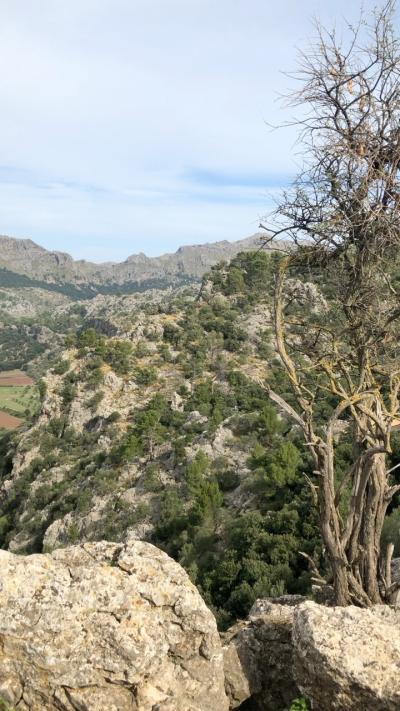
Look closely at the almond trees blossoming in the fields around Valldemossa and you’ll see the first hint of nature shifting with the seasons. As spring arrives here, migratory birds return along the coast near Alcudia and Pollensa, their songs filling the air as the island wakes from winter quiet. The fragrant blooms and early warmth coax local reptiles from their winter hideouts among the rocky slopes of the Serra de Tramuntana, while insects buzz in the air near Cala Mondrago’s shores. It’s a season when the landscape seems to pulse with renewed life.
Summer’s dry heat, especially along the Ma-13 road winding through the mountains, slows some wildlife activity during the hottest hours, but seaside coves like Formentor attract gulls and seabirds, while marine life grows abundant beneath the clear waters. By autumn, cooler breezes bring changes again; you might spot migrating raptors passing over Soller on their way south. Local mammals such as genets or wild goats adapt their feeding patterns as plants begin to flower and fruit. Winters tend to be mild but wetter, encouraging amphibians and insects to reemerge, and the island’s vineyards near Binissalem enter their dormant phase, marking another rhythm of nature tied closely to place.
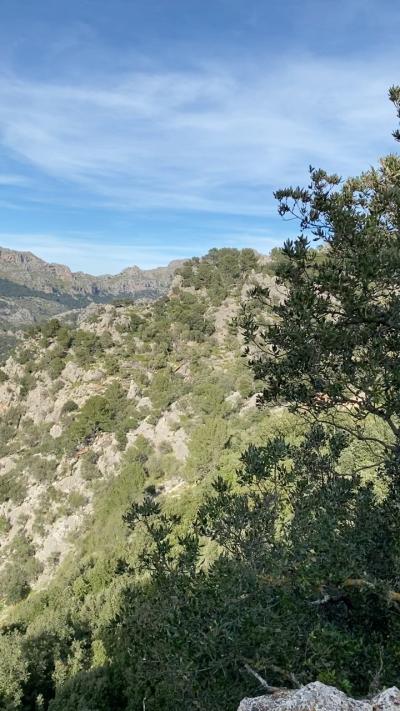
Over the years, climate variations influence these cycles and the habitats where you find wildlife. Changes in rainfall or temperature affect the growth of native plants like mallorcan oak, which in turn impacts the animals relying on them. Recognizing these subtle shifts deepens appreciation for the resilience of Mallorca’s unique ecosystem, whether you’re hiking through the Tramuntana trails or watching birds along the sandy stretches of Es Trenc. Each season offers a different window on the island’s living tapestry, inviting travelers to observe nature’s ongoing dance with time and terrain.
Summer’s dry heat, especially along the Ma-13 road winding through the mountains, slows some wildlife activity during the hottest hours, but seaside coves like Formentor attract gulls and seabirds, while marine life grows abundant beneath the clear waters. By autumn, cooler breezes bring changes again; you might spot migrating raptors passing over Soller on their way south. Local mammals such as genets or wild goats adapt their feeding patterns as plants begin to flower and fruit. Winters tend to be mild but wetter, encouraging amphibians and insects to reemerge, and the island’s vineyards near Binissalem enter their dormant phase, marking another rhythm of nature tied closely to place.
Over the years, climate variations influence these cycles and the habitats where you find wildlife. Changes in rainfall or temperature affect the growth of native plants like mallorcan oak, which in turn impacts the animals relying on them. Recognizing these subtle shifts deepens appreciation for the resilience of Mallorca’s unique ecosystem, whether you’re hiking through the Tramuntana trails or watching birds along the sandy stretches of Es Trenc. Each season offers a different window on the island’s living tapestry, inviting travelers to observe nature’s ongoing dance with time and terrain.

Deià
More Fotos