What distinctive wildlife and plant life can I see along Mallorca's coastline?
Similar Topics
mallorca wildlife
coastal plants
balearic shearwaters
mediterranean monk seal
es trenc dunes
serra de tramuntana
formentor peninsula
alcudia salt flats
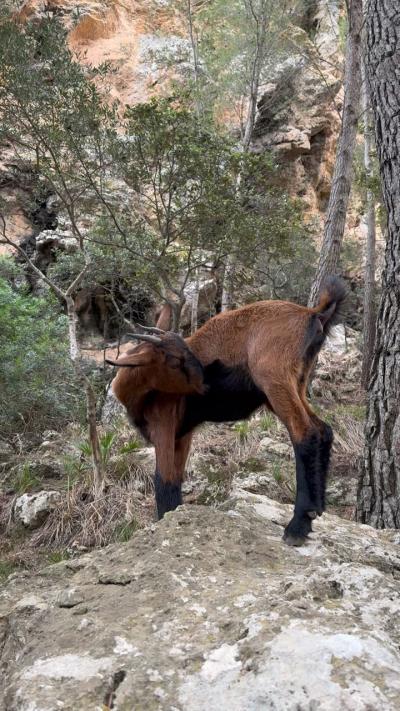
The island’s coastline is home to a remarkable variety of wildlife, reflecting the rich biodiversity of the Mediterranean environment. Along the rocky shores and hidden coves like Cala Mondrago or Cala Llombards, you might spot Mediterranean monk seals, though they are rare and elusive. Seabirds such as Audouin’s gulls and Balearic shearwaters are more commonly seen, especially near the Formentor peninsula and the northern cliffs. Dolphins occasionally swim close to shore, delighting visitors with playful leaps.
Plants adapted to the salty, windy conditions shape the coastal landscape, from aromatic rosemary and wild thyme to the striking sea lavender growing near Es Trenc’s dunes. The salt flats around Alcudia harbor unique halophytic vegetation, while rugged headlands support hardy shrubs and endemic orchids. Inland, the Serra de Tramuntana’s forests of holm oak and pine stretch down towards the coast, offering layered habitats for butterflies and songbirds.
Visitors walking the trails along the Ma-10 or exploring the TIB bus routes around Pollenca and Valldemossa may encounter agaves and carob trees, while the fragrant mastic shrubs are part of the island’s characteristic flora. For nature enthusiasts, timing a trip during the Festa de l’Ametler in bloom reveals almond trees bursting with delicate flowers, combining cultivated beauty with wild coastal ecosystems. Whether birdwatching around the salt pans or strolling through the fragrant maquis, the natural world here adds a vivid dimension to any visit.
Plants adapted to the salty, windy conditions shape the coastal landscape, from aromatic rosemary and wild thyme to the striking sea lavender growing near Es Trenc’s dunes. The salt flats around Alcudia harbor unique halophytic vegetation, while rugged headlands support hardy shrubs and endemic orchids. Inland, the Serra de Tramuntana’s forests of holm oak and pine stretch down towards the coast, offering layered habitats for butterflies and songbirds.
Visitors walking the trails along the Ma-10 or exploring the TIB bus routes around Pollenca and Valldemossa may encounter agaves and carob trees, while the fragrant mastic shrubs are part of the island’s characteristic flora. For nature enthusiasts, timing a trip during the Festa de l’Ametler in bloom reveals almond trees bursting with delicate flowers, combining cultivated beauty with wild coastal ecosystems. Whether birdwatching around the salt pans or strolling through the fragrant maquis, the natural world here adds a vivid dimension to any visit.

More Fotos

Related Questions
Related Question
Which restaurants in Palma and across the island are best suited for families with children?
Related Question
What kind of entertainment can I expect while at Lio?
Related Question
Are the seafront promenades in Palma and other Mallorca towns accessible for visitors with mobility issues?