How do local people on Mallorca view organic food compared to traditional Mallorcan dishes?
Similar Topics
organic food
traditional dishes
pa amb oli
sobrassada
farmers markets
sustainable agriculture
binissalem wine
festa de l’ametler
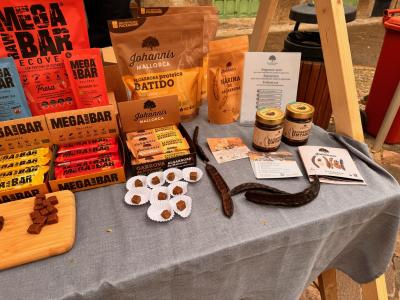
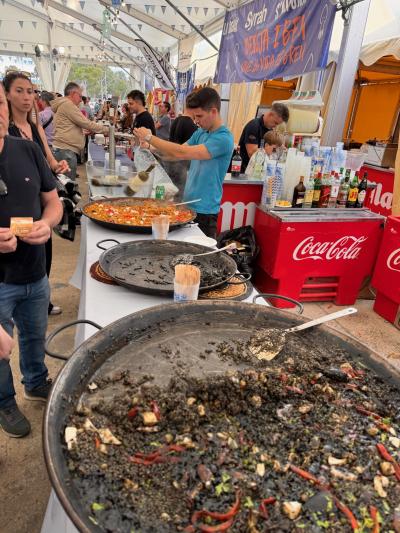
The island’s culinary traditions run deep, with dishes like pa amb oli, sobrassada, and tumbet rooted in centuries of farming and local sourcing. These recipes are emblematic of Mallorca’s cultural identity and family heritage, and many residents hold them in high esteem for their authentic flavours and connection to the land. At the same time, a growing awareness of environmental issues and health has boosted interest in organic produce, especially around towns like Sóller and the rural inland villages near Binissalem. Farmers' markets throughout Palma and Alcúdia often feature stands selling certified organic fruits, vegetables, and cheeses, reflecting a vibrant community that values sustainable agriculture.
Many locals strike a balance, incorporating organic products into their cooking while preserving traditional methods. For example, restaurants along the Ma-10 scenic road showcase menus that blend organically grown Mallorcan ingredients with classic dishes, offering a modern twist without sacrificing authenticity. The popularity of Hierbas and Palo, often made from herbs grown in untreated soils, also points to a respect for natural flavors. The TIB bus network makes it easy to explore various markets and smallholdings committed to organic farming, providing visitors with a taste of this harmonious coexistence.
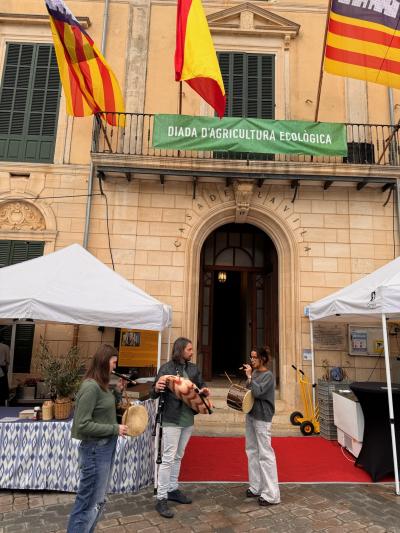
Discussions around food here often involve respect for the island’s heritage alongside a forward-looking desire to promote health and sustainable practices. Events like the Festa de l’Ametler highlight the region’s agricultural roots while boosting community pride and supporting local organic producers. Whether sampling an ensaïmada baked with traditional techniques or seeking out fresh, bio-certified vegetables at a stand near Formentor, you’ll notice that Mallorca values both tradition and innovation in its food culture.
Many locals strike a balance, incorporating organic products into their cooking while preserving traditional methods. For example, restaurants along the Ma-10 scenic road showcase menus that blend organically grown Mallorcan ingredients with classic dishes, offering a modern twist without sacrificing authenticity. The popularity of Hierbas and Palo, often made from herbs grown in untreated soils, also points to a respect for natural flavors. The TIB bus network makes it easy to explore various markets and smallholdings committed to organic farming, providing visitors with a taste of this harmonious coexistence.
Discussions around food here often involve respect for the island’s heritage alongside a forward-looking desire to promote health and sustainable practices. Events like the Festa de l’Ametler highlight the region’s agricultural roots while boosting community pride and supporting local organic producers. Whether sampling an ensaïmada baked with traditional techniques or seeking out fresh, bio-certified vegetables at a stand near Formentor, you’ll notice that Mallorca values both tradition and innovation in its food culture.

Alcanada
More Fotos