How did tourism in Mallorca evolve after World War I?
Similar Topics
Mallorca travel
tourism evolution
beaches in Mallorca
Palma airport
cultural heritage Mallorca
infrastructure improvements
package holidays Mallorca
Northern Europe tourists
Spanish Civil War tourism
charming villages Mallorca
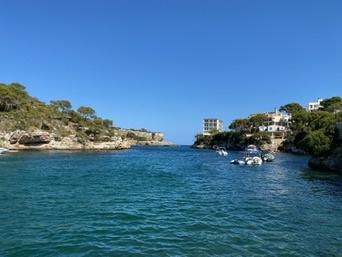
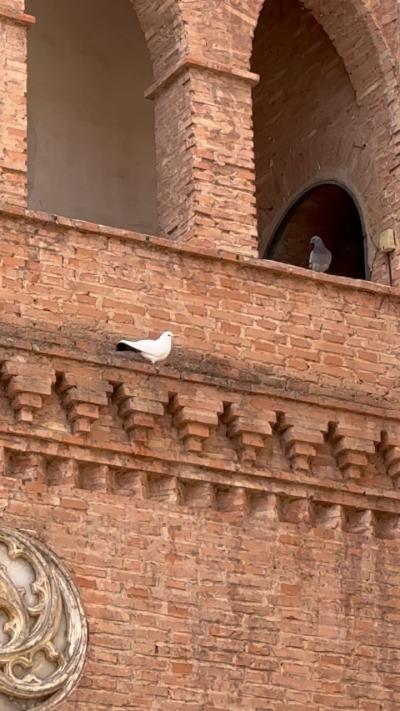
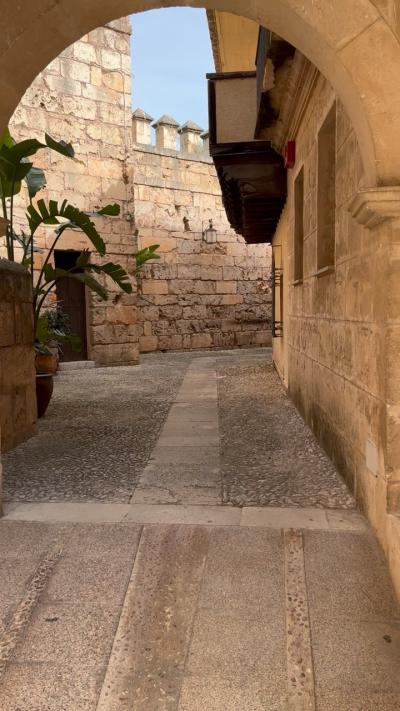
After World War I, tourism in Mallorca began to evolve significantly, transitioning from a largely local and aristocratic pastime to a more accessible destination for a broader range of travelers. The war had brought about changes in travel dynamics across Europe, and as peace returned, many people were eager to explore new places. Mallorca, with its stunning landscapes, mild climate, and rich cultural heritage, became increasingly attractive to tourists seeking both relaxation and adventure. The island's natural beauty, characterized by its dramatic coastlines, sandy beaches, and charming villages, started to capture the imagination of the European middle class.
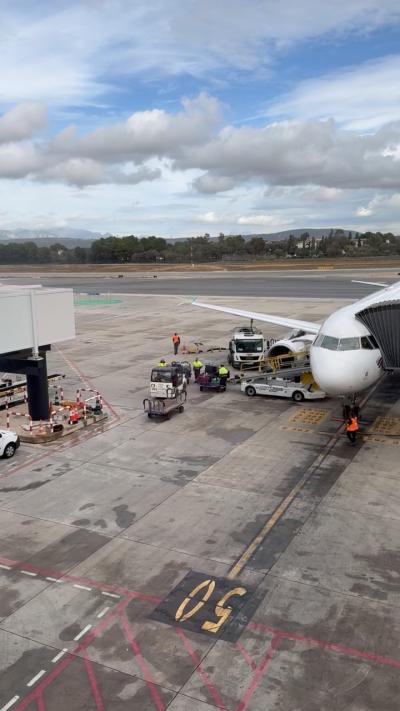
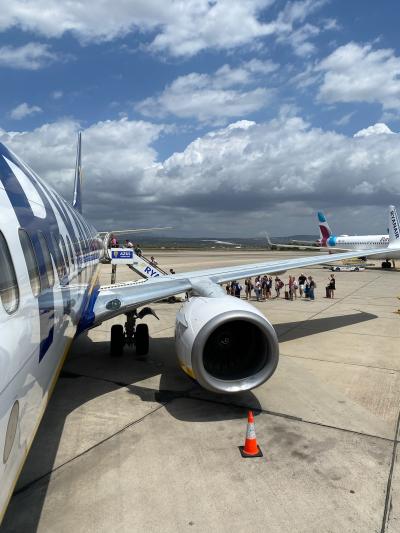
In the 1920s and 1930s, infrastructure improvements played a crucial role in facilitating this growth. The construction of roads and the expansion of the Palma airport made it easier for visitors to reach the island. Hotels began to spring up, catering to the influx of tourists, and the hospitality sector started to flourish. This period also saw the emergence of a more organized tourism industry, with travel agencies promoting Mallorca as a desirable getaway. Artists, writers, and intellectuals were drawn to the island, further establishing its reputation as a cultural haven, and their presence attracted even more visitors eager to experience the same charm.
The Spanish Civil War and World War II temporarily disrupted this burgeoning tourism industry, but by the late 1940s, Mallorca began to rebound. The island saw a new wave of tourists, particularly from Northern Europe, who were drawn by the promise of sun and leisure. The tourism model evolved to accommodate the growing demand, leading to an increase in package holidays in the 1960s. This marked a significant turning point, as the island transformed into a popular international holiday destination, forever altering its economic and social landscape. Today, Mallorca remains a vibrant blend of traditional culture and modern tourism, continuing to enchant visitors with its unique charm and beauty.
More Fotos